Living in Lancaster means enjoying sunny skies, wide-open views, and a climate that many people love. However, the same desert environment that makes the area unique can also create challenges for home cooling systems. According to the U.S. Department of Energy, heating and cooling account for nearly half of a home’s total energy use, making HVAC efficiency one of the biggest factors affecting monthly utility costs. When dust accumulates inside an air conditioning system, its efficiency can slowly decline over time.
There is one reason why AC maintenance in Lancaster, CA is so important: Lancaster’s dry conditions. Windy days and airborne dust can also affect airflow, cooling performance, and overall system reliability. At Origin Heating & Air, we often help homeowners understand how local environmental conditions influence their HVAC systems and what steps can help minimize long-term wear and tear.
While most people notice dust collecting on vehicles, patios, and windowsills, many do not realize that the same dust is constantly interacting with their air conditioning equipment. Over time, even small amounts of buildup can contribute to performance issues that reduce comfort and increase operating costs.
Why Lancaster’s Climate Creates More Dust-Related HVAC Challenges
Every climate places unique demands on heating and cooling equipment. In Lancaster, homeowners often deal with hot temperatures, dry conditions, and frequent winds that carry dust throughout the region. These conditions create an environment where airborne particles are almost always present.
As the wind moves dust across neighborhoods, some of those particles eventually find their way into HVAC systems. Air conditioners pull large amounts of air through the equipment every day, especially during the summer when cooling demand is highest. As a result, dust naturally becomes part of the system’s operating environment.
This constant exposure can contribute to various dust-related HVAC problems over time. Although dust may seem harmless at first glance, it can gradually interfere with airflow, cooling efficiency, and equipment performance if left unchecked.
How Dust Gets Inside Your Air Conditioning System
Many homeowners assume that HVAC systems are completely sealed from outside contaminants. While filters help capture many airborne particles, no residential cooling system is entirely protected from dust intrusion.
Dust can enter the system through return vents, small air leaks, ductwork connections, and even the outdoor condenser unit. Every time the system cycles on, it moves air throughout the home. Along with that air come a variety of particles that eventually settle inside different components.
Over time, this buildup becomes more noticeable. Some dust collects on filters, while other particles settle on coils, blower components, and duct surfaces. The longer a system operates without proper maintenance, the more likely these accumulations are to affect performance.
Why Air Filters Matter More Than Many Homeowners Realize
Air filters serve as the first line of defense against airborne debris. Their job is to capture dust before it reaches more sensitive HVAC components. However, filters can only hold so much before they begin affecting system performance.
As dust accumulates, airflow becomes more restricted. The system must work harder to pull air through the filter and distribute cooled air throughout the home. Consequently, the air conditioner often runs longer and consumes more energy.
A clogged filter may contribute to uneven cooling, reduced airflow, and increased utility bills. In some cases, restricted airflow can even lead to larger HVAC problems if left unresolved. Fortunately, changing filters regularly remains one of the simplest forms of preventative AC maintenance homeowners can perform.
The Connection Between Dirty AC Coils and Reduced Cooling
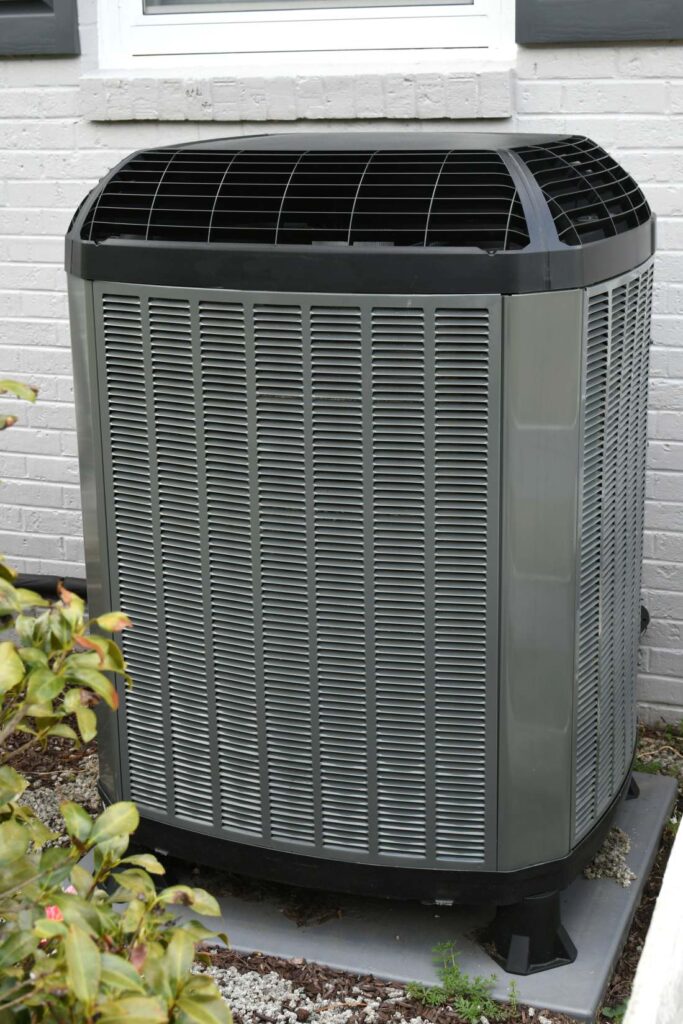
One of the most common maintenance concerns involves dirty AC coils. Air conditioners rely on clean coil surfaces to transfer heat efficiently. When dust accumulates on those surfaces, the cooling process becomes less effective.
The evaporator coil absorbs heat from inside the home, while the condenser coil releases that heat outdoors. When either coil becomes coated with dirt and debris, heat transfer becomes more difficult. As a result, the system must run longer to achieve the same cooling results.
Many homeowners do not immediately notice dirty coils because performance typically declines gradually. Instead, they may simply observe that their home takes longer to cool or that energy bills seem higher than usual. Professional coil cleaning can often restore efficiency and improve overall cooling performance.
How HVAC Airflow Restrictions Affect Comfort
Proper airflow is one of the most important factors in maintaining a comfortable indoor environment. Unfortunately, dust accumulation is also one of the most common causes of HVAC airflow restrictions.
When dust collects inside filters, blower assemblies, vents, and ductwork, it limits the amount of air moving through the system. Even relatively minor restrictions can create noticeable differences in comfort throughout the home.
Homeowners may begin to notice rooms feeling warmer than others or the system running constantly. In some situations, airflow restrictions can even contribute to frozen coils or additional mechanical stress. Because airflow issues often develop slowly, many people do not realize a problem exists until their comfort levels begin to decline.
Why Outdoor Condenser Units Are Especially Vulnerable
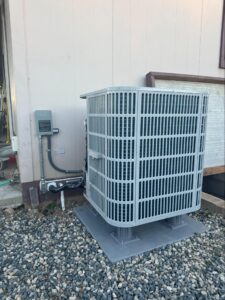
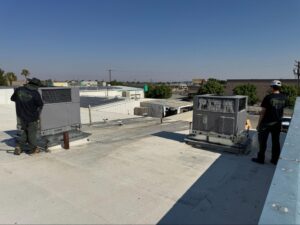
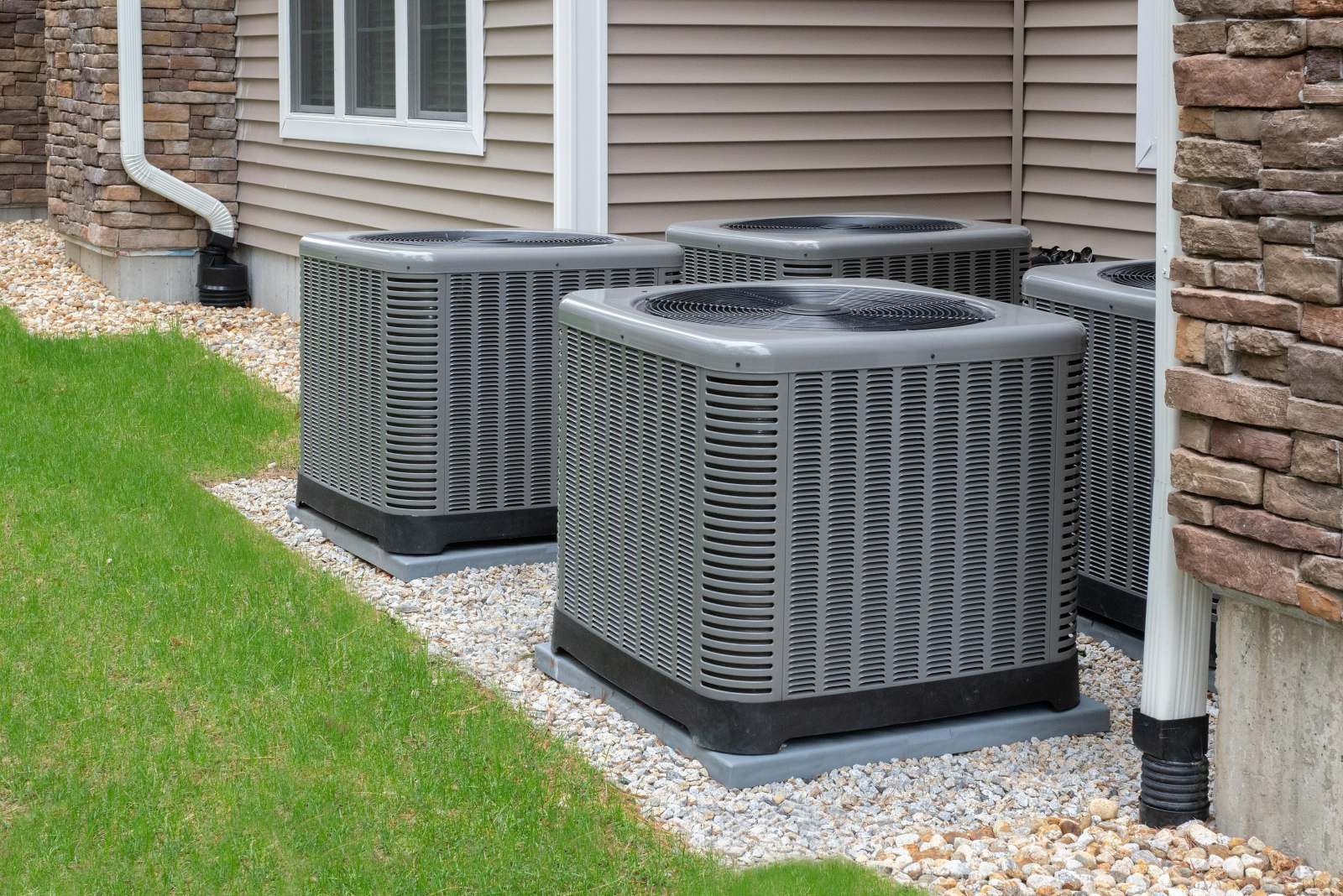
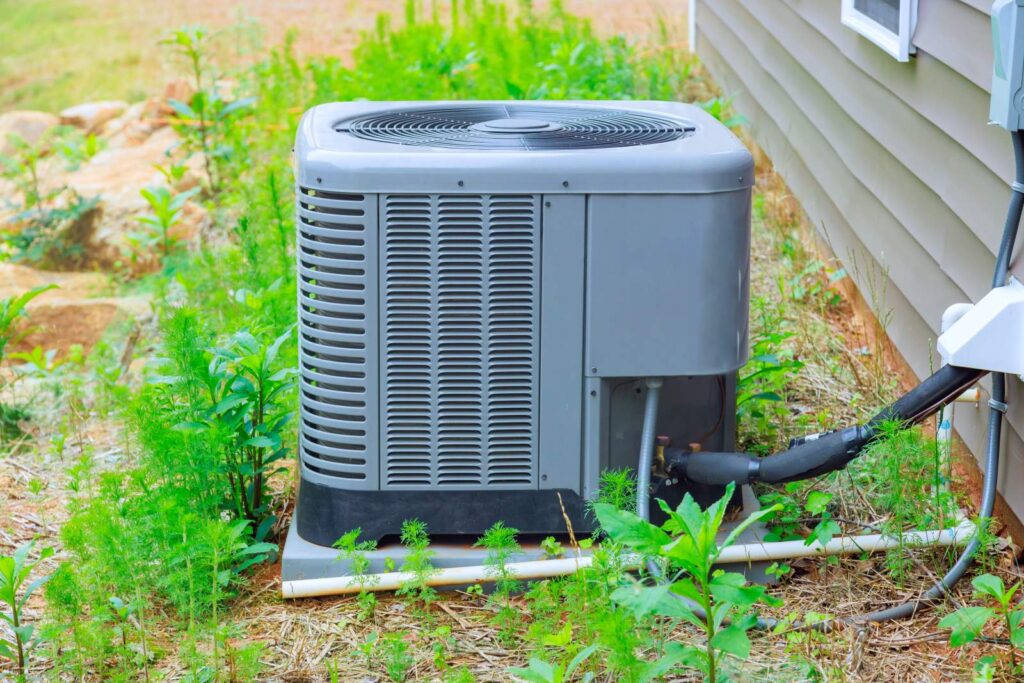
The outdoor condenser unit is directly exposed to Lancaster’s dusty environment every day. Unlike indoor components that benefit from some level of protection, outdoor equipment is constantly exposed to wind, dirt, and airborne debris.
As the condenser draws in outside air through its coils, dust can accumulate on the surfaces that release heat. Gradually, this buildup reduces the unit’s ability to transfer heat efficiently. The harder the system must work, the more strain it places on important components such as the compressor.
Regular inspections and cleaning can help keep outdoor units operating more efficiently. Keeping vegetation, debris, and excessive dust away from the condenser also supports better airflow and cooling performance.
How Dust Can Increase Energy Costs
Many homeowners first become aware of HVAC issues when their utility bills start climbing. While rising energy costs can have several causes, dust buildup is often an overlooked contributor.
When airflow becomes restricted or coil efficiency declines, the system must operate longer to cool the home. Those extended run times naturally increase electricity consumption. During Lancaster’s hottest months, even a modest loss in efficiency can translate into noticeable increases in monthly cooling costs.
Because the changes occur gradually, homeowners may not immediately connect higher bills with dust-related HVAC issues. However, routine maintenance often helps restore efficiency and reduce unnecessary energy usage.
The Impact on Indoor Air Quality
Dust affects more than cooling performance. It can also influence the quality of the air circulating throughout your home.
When filters become overloaded, or airflow problems develop, airborne particles may continue to move through living spaces. This can contribute to visible dust accumulation on furniture and other surfaces. While HVAC systems cannot eliminate every airborne contaminant, proper maintenance helps support cleaner indoor air circulation.
Many homeowners are surprised to discover that improving HVAC performance often leads to a cleaner, more comfortable indoor environment. Cleaner components and better airflow typically allow the system to operate more effectively overall.
Warning Signs Dust May Be Affecting Your AC
Dust-related HVAC problems rarely appear overnight. Instead, they usually develop gradually and become more noticeable over time.
One common warning sign is reduced airflow from vents. If certain rooms no longer feel as cool as they once did, dust buildup may be restricting system performance. Similarly, an air conditioner that runs longer than usual may be struggling to overcome airflow or heat transfer issues.
Homeowners may also notice rising utility bills, increasing dust accumulation inside the home, or more frequent AC repair needs. While any one symptom may not automatically indicate a dust-related issue, several occurring together often justify a professional inspection.
Recognizing these warning signs early can help prevent more significant problems and reduce the likelihood of unexpected breakdowns during peak cooling season.
Keep Your Cooling System Ready for Lancaster Summers
Desert dust may be unavoidable in Lancaster, but its impact on your air conditioning system does not have to be. Regular maintenance, professional cleaning, and timely inspections can help minimize dust-related wear while supporting better efficiency and comfort.
At Origin Heating & Air, we help Lancaster homeowners keep their cooling systems operating at peak performance despite the local environment’s challenges. Whether your system needs a seasonal inspection, professional cleaning, or routine maintenance, our team is ready to help.
Contact Origin Heating & Air today to schedule professional AC maintenance and keep your cooling system prepared for whatever Lancaster’s summer weather brings.
Frequently Asked Questions
Does desert dust affect smart thermostats?
Desert dust usually does not directly damage smart thermostats, but it can affect the HVAC system connected to them. When airflow is restricted by dust buildup, homeowners may notice inconsistent temperatures and mistakenly assume the thermostat is the source of the problem.
Are certain air filters better for dusty climates?
Yes, some filters are designed to capture smaller airborne particles than others. However, the best filter depends on your HVAC system, as highly restrictive filters can reduce airflow if not properly matched to the equipment.
Can landscaping help reduce dust around an outdoor AC unit?
Strategic landscaping can sometimes help reduce airborne dust near an outdoor condenser. Ground cover, stabilized soil, and properly placed barriers may limit dust movement while still allowing adequate airflow around the unit.
Don’t Miss the Next Cooling Guide
Next, check out “Signs Your AC Is Struggling to Keep Up With Lancaster Heat Waves“ to learn how to identify early warning signs of cooling trouble before they turn into costly repairs or unexpected breakdowns.