According to the U.S. Department of Energy, heating and cooling account for nearly half of the average home’s energy use. During Lancaster’s hottest months, air conditioning systems often run for extended periods, which can expose underlying performance issues that might otherwise go unnoticed. If you are considering an AC repair in Lancaster, CA, understanding the early warning signs can help you address small problems before they become larger and more expensive.
Lancaster heat waves place significant demands on cooling equipment. At Origin Heating & Air, we often see homeowners notice performance changes when temperatures climb into the triple digits. Recognizing those signs early can help maintain comfort, improve efficiency, and reduce the likelihood of unexpected breakdowns.
Why Lancaster Heat Waves Push AC Systems Harder
Air conditioners work by removing heat from inside the home and transferring it outdoors. When outdoor temperatures rise significantly, the system must work longer and harder to maintain comfortable indoor conditions.
As temperatures remain elevated for days or weeks, every component of the cooling system experiences additional stress. Even well-maintained equipment may begin showing signs of wear when operating under extreme conditions.
Because Lancaster regularly experiences intense summer heat, homeowners often notice cooling performance issues sooner than those living in milder climates. Understanding what those warning signs look like can help you respond before your comfort level declines.
Your Air Conditioner Is Running Longer Than Usual
One of the earliest indicators of trouble is an AC running constantly throughout the day. While longer cooling cycles are normal during extreme heat, the system should still reach the thermostat setting and cycle off periodically.
If the air conditioner runs almost nonstop without achieving the desired temperature, something may be affecting its performance. Restricted airflow, dirty coils, refrigerant issues, or aging components can all contribute to longer operating cycles.
Over time, continuous operation increases wear on the equipment. As a result, minor issues can develop into more significant AC repair needs if left unresolved.
Your Home Never Feels Quite Cool Enough
Many homeowners first notice cooling problems because the home never feels fully comfortable. The thermostat may indicate the correct temperature, yet certain rooms still feel warm or stuffy.
This often happens when cooling capacity begins declining. The system may still operate, but it no longer removes heat as effectively as it once did.
When comfort levels start to slip despite constant operation, it may signal developing HVAC performance issues that warrant professional attention.
Weak Airflow From Supply Vents
Strong airflow plays an important role in maintaining consistent temperatures throughout the home. If airflow feels weaker than normal, the cooling system may struggle to distribute conditioned air properly.
Several issues can contribute to reduced airflow. Dirty filters, blower problems, duct restrictions, and blocked vents are among the most common causes.
Weak airflow often develops gradually, making it easy to overlook at first. However, as temperatures continue rising, the impact on comfort becomes much more noticeable.
Uneven Temperatures Throughout the House
Another common warning sign involves inconsistent temperatures between rooms. Some areas of the home may remain comfortable while others stay noticeably warmer.
This imbalance may occur due to airflow restrictions, ductwork issues, insulation deficiencies, or equipment performance issues. During a Lancaster heat wave, these differences often become more pronounced.
When cooling distribution becomes uneven, the system frequently works harder trying to compensate. Consequently, energy consumption increases while comfort decreases.
Rising Utility Bills Without Increased Usage
Many cooling problems reveal themselves through higher energy costs. If your household habits remain unchanged but your utility bills continue to rise, the air conditioner may be operating less efficiently than before.
As systems age or develop mechanical problems, they often require more energy to produce the same cooling results. Extended run times and reduced efficiency can significantly impact monthly operating costs.
Although energy prices fluctuate, unexplained increases may indicate underlying problems with the cooling system that should not be ignored.
Strange Sounds During Operation
Air conditioners naturally produce some operational noise. However, new sounds often indicate that something is not functioning correctly.
Rattling may suggest loose components. Squealing can indicate belt or motor issues. Grinding noises may indicate internal mechanical wear.
Any unusual sound that occurs during a heat wave warrants attention, as the increased workload may accelerate component failure. Addressing the issue early often helps prevent more extensive repairs.
Frequent Cycling On and Off
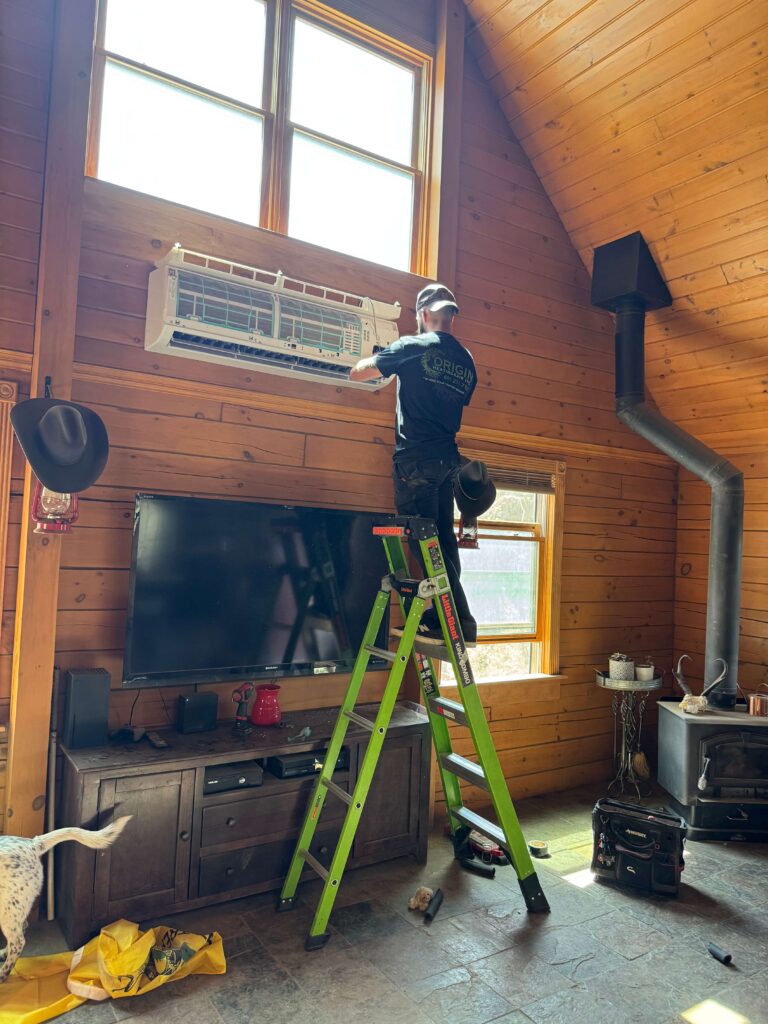
While some systems run longer in hot weather, others may cycle too frequently. Frequent starts and stops can indicate thermostat issues, airflow restrictions, electrical concerns, or equipment sizing problems.
This behavior places additional strain on the system because startup is often one of the most demanding phases of operation. The repeated cycling may also reduce overall cooling efficiency.
If you notice the system turning on and off more often than usual, professional evaluation can help identify the cause before additional wear occurs.
Warm Air Coming From the Vents
When homeowners experience an air conditioner not cooling Lancaster homes effectively, warm airflow is often one of the first noticeable symptoms.
Warm air may result from refrigerant problems, compressor issues, thermostat malfunctions, or airflow restrictions. Regardless of the cause, the system is no longer providing the cooling performance expected during extreme temperatures.
Because several potential issues can produce this symptom, professional diagnostics are often necessary to determine the exact source of the problem.
Excess Humidity Indoors
Most homeowners focus on temperature, but humidity also affects indoor comfort. Air conditioners help remove moisture from the air as part of the cooling process.
If indoor spaces begin feeling unusually humid, the system may not be operating efficiently. Reduced moisture removal can make temperatures feel warmer than they actually are.
During Lancaster summers, excessive indoor humidity may indicate that the air conditioner is struggling to keep up with demand.
Delayed Startup or Slower Cooling Response
A healthy cooling system typically responds quickly when the thermostat calls for cooling. If startup becomes delayed or the home takes much longer to cool than it once did, performance issues may be developing.
This symptom sometimes appears gradually, making it difficult to notice immediately. However, as temperatures rise, slower response times often become more apparent.
Delays in cooling performance may indicate electrical issues, component wear, or declining system efficiency.
Why Small Cooling Problems Become Bigger During Heat Waves
Minor issues that seem manageable during mild weather often become much more noticeable during extreme heat. A partially clogged filter, a small refrigerant issue, or a dirty coil may not cause obvious symptoms in spring.
Once Lancaster temperatures rise significantly, however, the system loses much of its performance margin. Suddenly, previously minor concerns become major comfort problems.
That is why many homeowners first discover cooling issues during the hottest days of the year. Unfortunately, those are also the times when HVAC systems experience their greatest demand.
Keep Your Cooling System Ready for Lancaster Summers
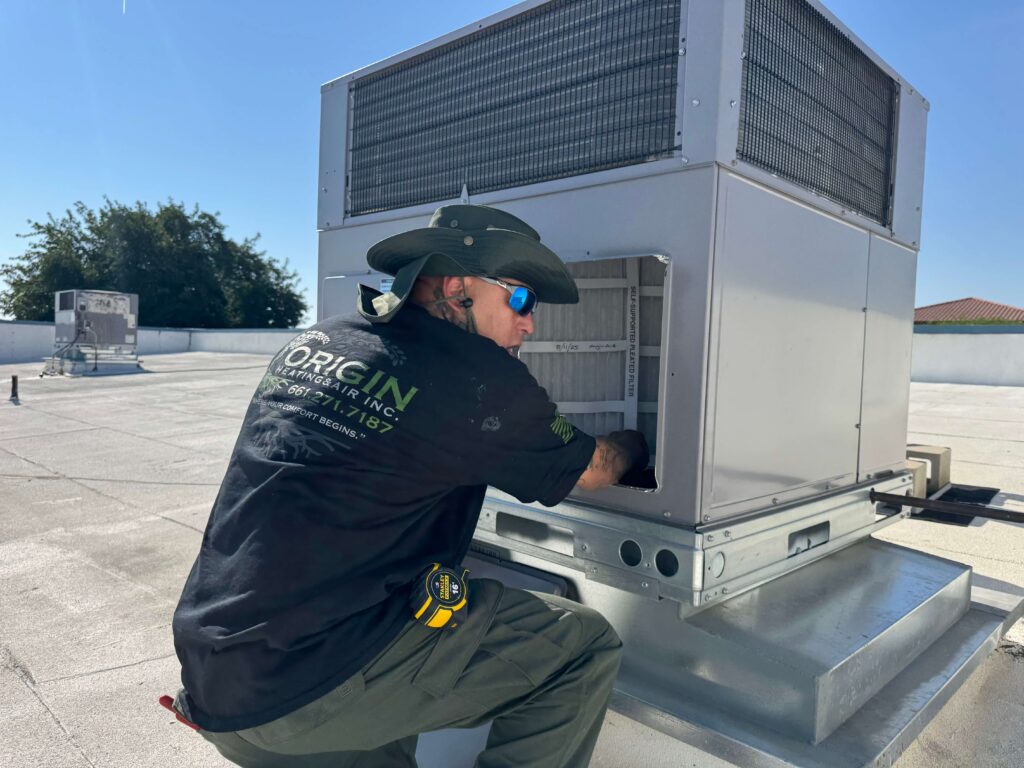
Extreme temperatures can place significant demands on even well-maintained air conditioners. When warning signs appear, addressing them early often improves comfort, efficiency, and system reliability.
At Origin Heating & Air, we help Lancaster homeowners identify cooling issues before they become major disruptions. Whether you are dealing with weak airflow, inconsistent cooling, or rising energy bills, professional evaluation can help determine the best path forward.
Contact Origin Heating & Air today to schedule an inspection and learn whether your system could benefit from professional repair or maintenance.
Frequently Asked Questions
Can extreme heat change the temperature reading on my thermostat?
Direct sunlight, nearby electronics, or heat generated within the home can sometimes affect thermostat readings. If the thermostat senses temperatures inaccurately, the cooling system may run longer or shorter than necessary.
Should ceiling fans be used with air conditioning during summer?
Yes, ceiling fans can help improve air circulation and make rooms feel cooler. While fans do not lower the actual temperature, they can help distribute conditioned air more evenly throughout the home.
Does closing vents in unused rooms help save money?
Many homeowners assume closing vents improves efficiency, but that is not always the case. Restricting airflow can sometimes increase pressure within the duct system and reduce overall HVAC performance.
Your Next Summer Cooling Tip Starts Here
Next, check out “What Should Palmdale Homeowners Know About AC Maintenance Before Summer?“ to learn how seasonal HVAC service can help prepare your cooling system for long periods of hot weather.