According to the U.S. Department of Energy, many residential furnaces last 15 to 30 years, depending on maintenance and usage. As systems age, efficiency often drops while repair frequency increases. For homeowners comparing furnace repair vs replace in Lancaster, CA, the biggest question usually comes down to long-term value.
In Lancaster and Tehachapi, reliable heating matters during colder winter nights. A furnace that constantly breaks down or struggles to maintain temperature can quickly become expensive and frustrating. Knowing when to repair a system and when to replace it can help homeowners avoid unnecessary costs while improving comfort.
How Long Should a Furnace Typically Last?
Most furnaces operate reliably for around 15 to 20 years, though some systems may last longer with proper maintenance. Lifespan depends on several factors, including:
- Maintenance history
- System quality
- Heating demand
- Airflow conditions
- Installation quality
A furnace that receives annual inspections and regular filter changes typically lasts longer than one that is neglected. Still, age alone does not determine whether repair or replacement is the better choice.
When a Furnace Repair Makes Sense
Repairing a furnace is often the better option when the system is still relatively new, and the issue is isolated.
Repair may make sense if:
- The furnace is under 10–12 years old
- The repair cost is manageable
- The system still heats consistently
- The problem involves a single component
Some common repair-friendly issues include:
Thermostat Problems
Faulty thermostats can cause temperature inconsistencies or prevent the system from cycling correctly.
Ignition or Sensor Issues
Dirty flame sensors or ignition problems are common and are often repairable without major work.
Minor Component Replacements
Blower motors, capacitors, or relays can wear out over time but may not require full system replacement.
For many homeowners needing a furnace repair in Tehachapi, CA, can restore dependable heating without the higher upfront cost of replacement.
When It’s Better to Replace Your Furnace
There comes a point when continuing repairs no longer makes financial sense. Older furnaces often become less efficient and more prone to breakdowns.
Signs that a replacement may be the smarter option, including:
- Frequent service calls
- Rising repair costs
- Uneven heating
- Higher utility bills
- Difficulty maintaining temperature
Older systems also tend to run longer to heat the home, increasing wear on internal components and driving up monthly energy usage.
When homeowners start researching when to replace furnace systems, it is often because the unit is no longer operating efficiently enough to justify ongoing repairs.
The Cost Comparison: Repair vs Replacement
One of the biggest decision factors is balancing short-term repair costs against long-term savings.
A small repair on a newer furnace may be worthwhile, but repeated repairs on an aging system can quickly add up. HVAC professionals often consider the “repair threshold,” the point at which repair costs outweigh the value of keeping the system.
When evaluating repair versus replacement, homeowners should consider:
- Current repair cost
- Age of the furnace
- Frequency of breakdowns
- Energy efficiency
- Expected future repairs
Replacement costs more upfront, but newer systems often reduce monthly utility bills and require fewer repairs over time.
Energy Efficiency and Monthly Heating Costs
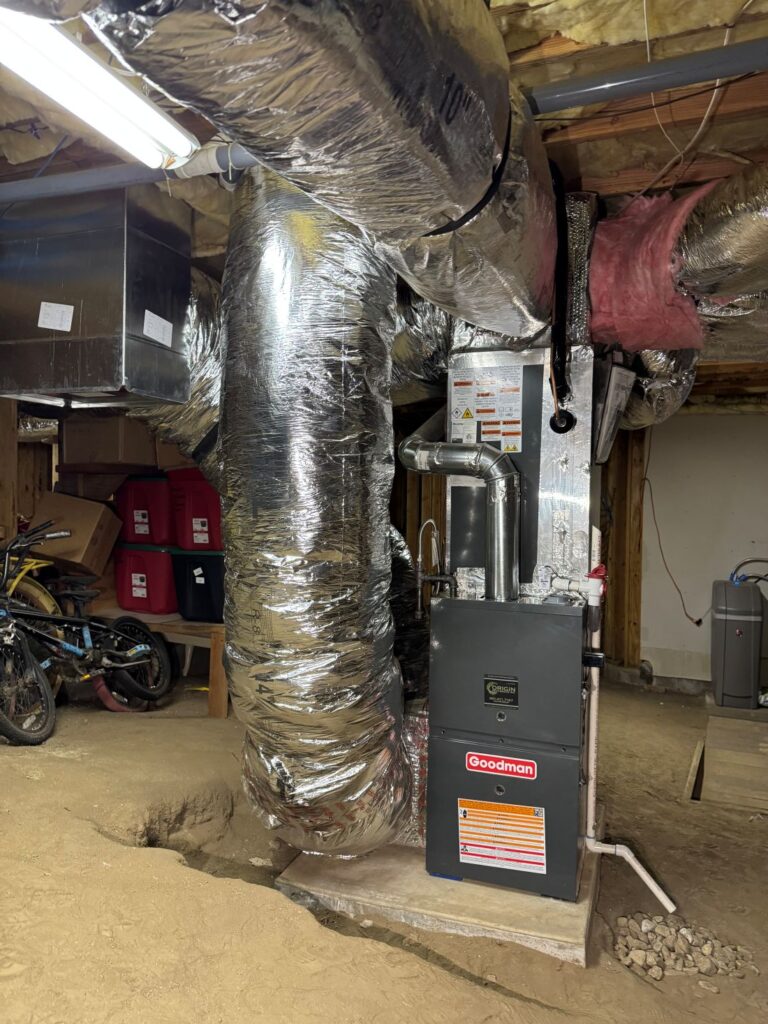
Older furnaces usually consume more energy while producing less effective heating. As components wear down, the system often has to work harder to maintain indoor temperatures.
Modern furnaces are designed with higher efficiency ratings and improved airflow management, helping homeowners reduce heating costs during colder months.
A newer system may help:
- Lower utility bills
- Improve temperature consistency
- Reduce system strain
- Minimize future repair costs
For homeowners dealing with repeated heating issues, efficiency improvements can make a noticeable difference in long-term operating expenses.
Why This Decision Matters in Lancaster & Tehachapi
Winter temperatures in Lancaster and Tehachapi can place extra demand on heating systems, especially overnight. Older furnaces often struggle with rapid temperature changes and may cycle more frequently during colder periods.
This can lead to:
- Uneven indoor temperatures
- Increased energy usage
- More frequent breakdowns
- Higher heating costs
A reliable furnace helps maintain comfort while keeping energy expenses more manageable throughout the winter season.
Signs Your Furnace Is Costing You More Than It Should
Some furnaces continue operating long after efficiency begins to decline. Common warning signs include:
Increasing Energy Bills
A steady rise in heating costs may indicate the furnace is working harder than it should.
Frequent Repairs
Occasional repairs are normal, but recurring service calls often indicate greater system wear.
Uneven Heating
Cold spots throughout the home can signal airflow or performance problems.
Strange Noises or Delayed Startup
Banging, rattling, or delayed ignition may indicate aging internal components.
These signs often indicate it is time for a professional evaluation.
Why a Professional Furnace Evaluation Is Important
Choosing between repair and replacement becomes much easier when an experienced HVAC technician inspects the system.
A professional evaluation can help determine:
- Overall furnace condition
- Remaining system lifespan
- Efficiency performance
- Safety concerns
- Long-term repair outlook
An honest assessment helps homeowners understand whether repairing the current system still makes sense or if replacement would provide better long-term value.
What Customers Are Saying
Homeowners often appreciate clear recommendations when facing furnace issues. Many customers value having both repair and replacement options explained honestly, rather than feeling pressured into unnecessary upgrades.
Others appreciate understanding the long-term cost differences between continuing repairs and investing in a newer, more efficient system.
Where to Get Furnace Repair or Replacement in Lancaster & Tehachapi
Origin Heating & Air provides furnace repair and replacement services throughout Lancaster and Tehachapi. Our team evaluates each system based on age, condition, heating performance, and long-term value.
Whether your furnace needs a targeted repair or a full replacement, we help homeowners make informed decisions that fit their comfort needs and budget.
Learn more about our furnace repair and replacement services to explore the best option for your home.
Schedule a Furnace Evaluation
A struggling furnace can lead to higher energy costs, repeated repairs, and unreliable heating during colder weather.
If your system is no longer performing the way it should, schedule a furnace evaluation with Origin Heating & Air. We proudly serve homeowners in Lancaster and Tehachapi with dependable heating solutions and honest recommendations.
Frequently Asked Questions
How do I know if my furnace should be repaired or replaced?
If your furnace is newer and the repair is relatively minor, it is often better to repair it. Older systems with frequent breakdowns, rising repair costs, and declining efficiency are usually better candidates for replacement.
What is the average lifespan of a residential furnace?
Most residential furnaces last 15 to 20 years, though some may last longer with regular maintenance and proper installation.
Will a new furnace lower my energy bills?
In many cases, yes. Modern furnaces are typically more energy-efficient than older systems, helping reduce monthly heating costs while improving indoor comfort.
Continue Learning About Common HVAC Problems
Wondering why some rooms in your home never seem to cool evenly? Temperature imbalance is one of the most common comfort complaints homeowners experience during warmer months.
Read our next article, Why Are Some Rooms Hotter Than Others in My Home?, to learn what causes uneven airflow, how duct issues affect cooling performance, and what can be done to improve comfort throughout your home.