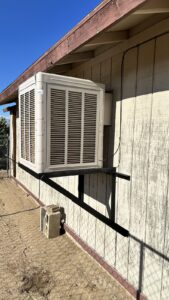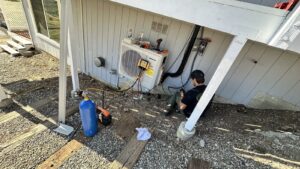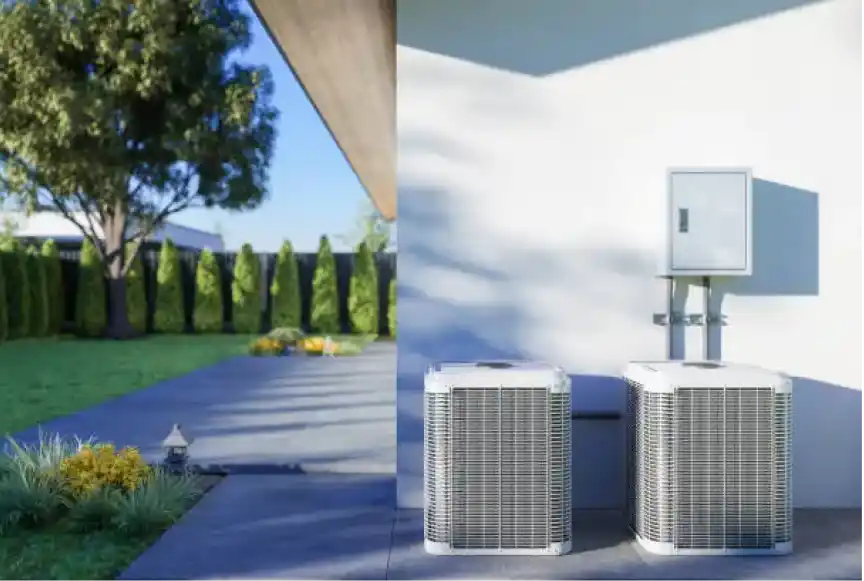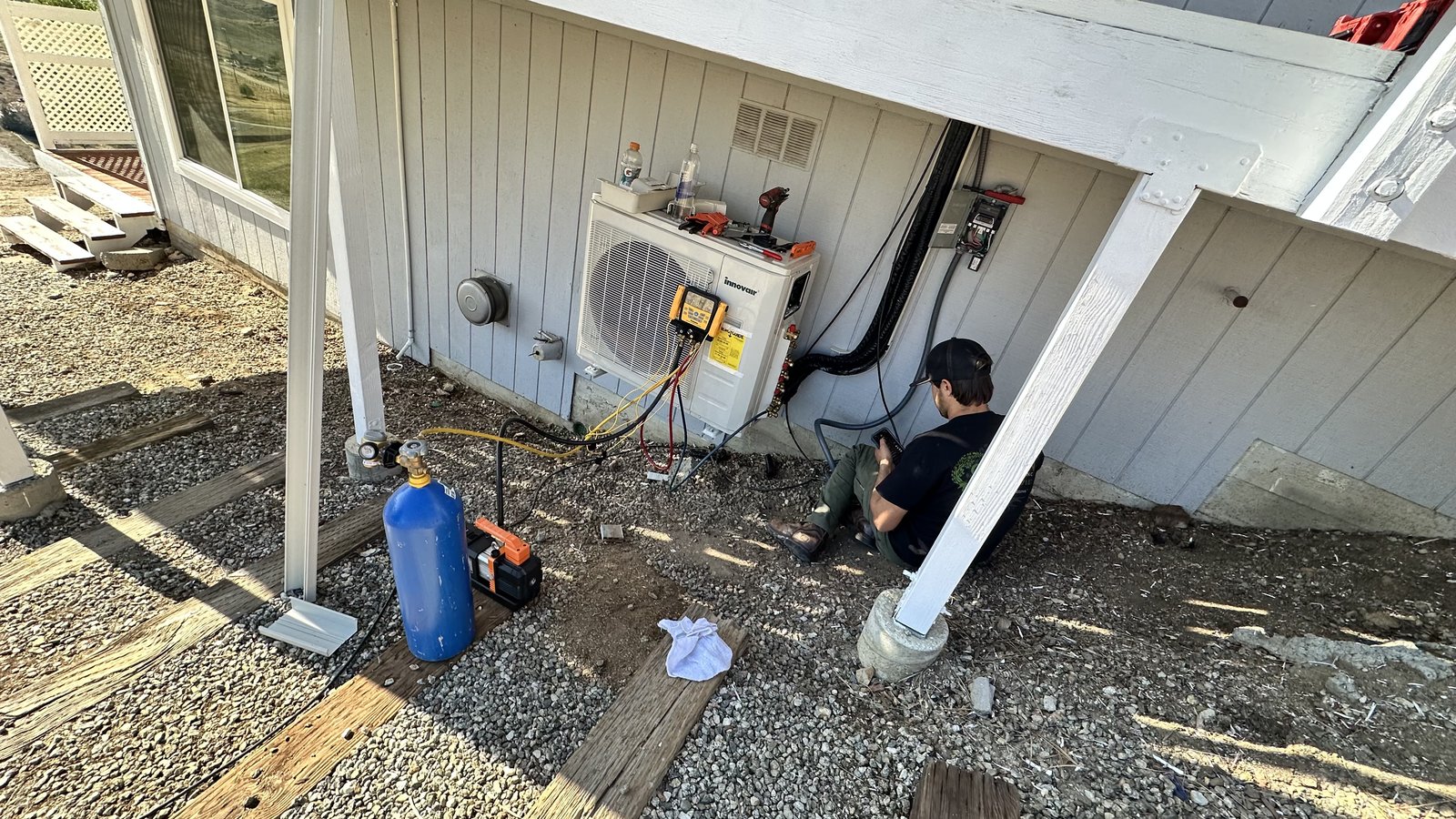
An older air conditioner does not become unreliable just because another birthday rolls around. However, years of summer operation add wear, dirt, vibration, heat exposure, and thousands of starting cycles to components throughout the system. During AC service in Tehachapi, knowing which parts need closer attention helps homeowners understand how their equipment is aging, rather than treating system age as the diagnosis. At Origin Heating & Air, we look at actual operating condition because two air conditioners of the same age may have very different maintenance histories and remaining service lives.
That distinction matters when an AC reaches its later years. Instead of assuming replacement is automatically necessary, homeowners can watch how individual components perform, how often repairs occur, and whether the system still delivers the cooling expected.
Air Conditioner Lifespan Is a Starting Point, Not an Expiration Date
You will often see central air conditioners assigned a general service life of roughly 15 to 20 years, but you can’t predict an air conditioner’s lifespan from age alone. Climate, installation quality, maintenance history, operating hours, equipment design, and past repairs all influence how long a particular system remains useful.
That means a 14-year-old air conditioner with stable operating measurements and few repairs may be in a very different position than a younger system that has experienced neglected maintenance or repeated failures. Age becomes more useful when considered alongside condition.
For homeowners, the better question is not simply, “How old is my AC?” Ask what has changed during those years and which components are beginning to show measurable wear.
Start With the Compressor
The compressor is one of the most important components to evaluate as an air conditioner ages. It circulates refrigerant through the cooling system and operates whenever the system needs to move heat from indoors to outdoors.
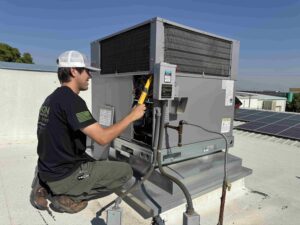
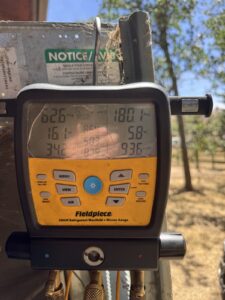
Technicians can evaluate compressor operation using electrical measurements, refrigerant system conditions, startup behavior, noise, and other observations. Increased current draw, difficult starts, unusual sounds, or internal electrical problems may indicate the compressor needs additional attention.
However, consider one unusual reading as part of the overall system diagnosis. Airflow restrictions, dirty coils, electrical problems, and abnormal refrigerant conditions can all influence how hard the compressor works.
Condenser Coils Need to Release Heat Effectively
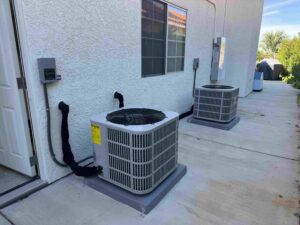
The outdoor condenser coil releases heat collected from inside the home. Because this coil sits outdoors year after year, dirt and debris can accumulate across its surface and interfere with heat transfer.
That matters because the compressor still has to move refrigerant through the system even when the condenser cannot reject heat as effectively. Operating pressures and temperatures may change, increasing the demands placed on the equipment.
Also check older coils for physical deterioration and damage. Cleaning helps when contamination is the issue, but cleaning cannot reverse corrosion or repair a refrigerant leak in a deteriorated coil.
Evaporator Coil Condition Matters Just as Much
Inside the home, the evaporator coil absorbs heat from indoor air. It needs adequate airflow across its surface and a clean heat transfer area to do that job effectively.
Over years of operation, dirt may collect on the coil, especially when filtration has been poor, or air bypasses the filter. Corrosion can also develop, and refrigerant leaks may eventually appear in some coils.
An aging evaporator coil deserves more attention when cooling capacity declines, ice forms, or refrigerant problems keep returning. The goal is to determine whether the coil is dirty, restricted, damaged, or affected by another system condition rather than assuming every cooling complaint starts there.
Fan Motors Accumulate Real Operating Hours
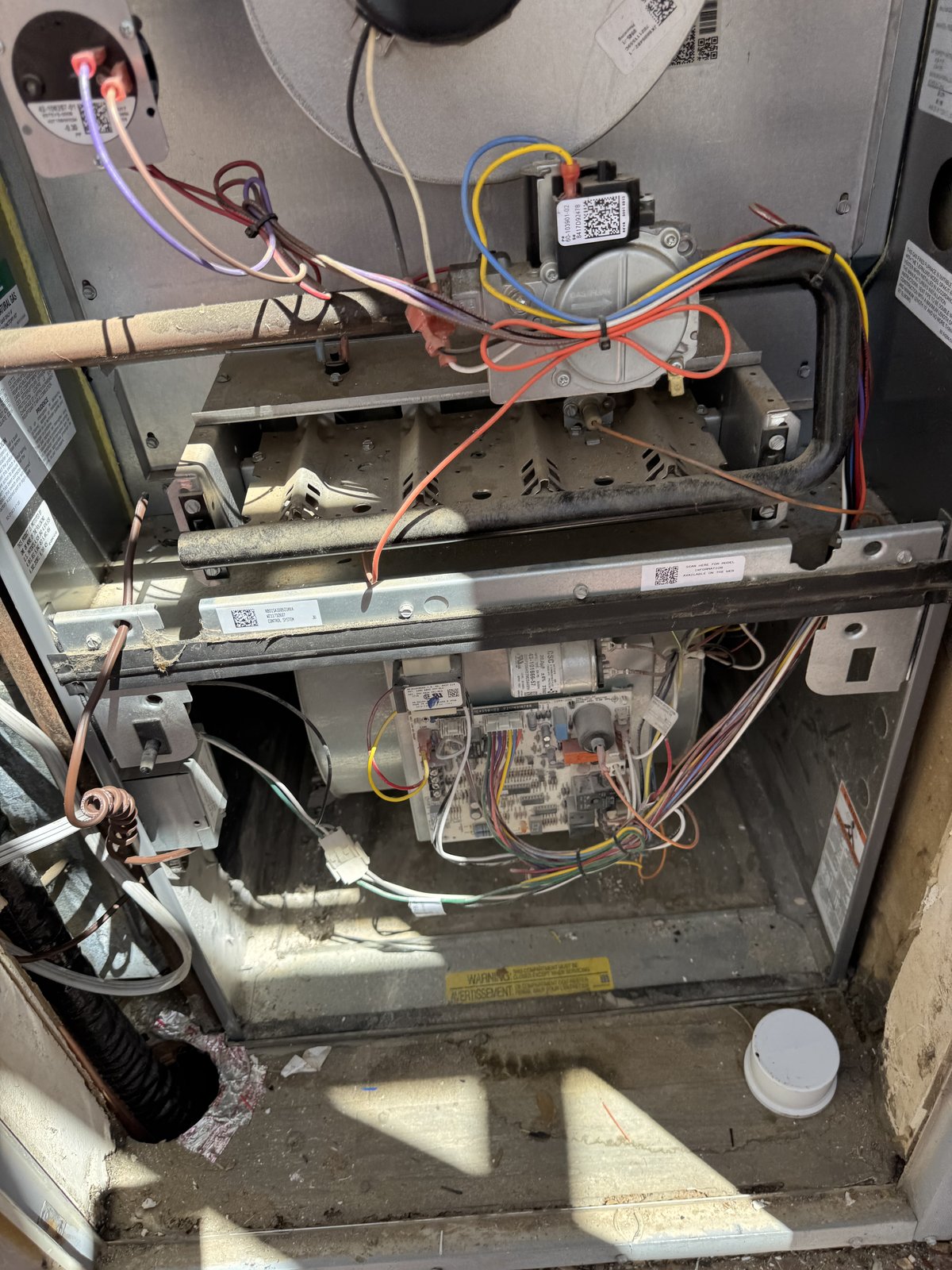
The outdoor fan motor and indoor blower motor can spend thousands of hours running over the life of an air conditioner. Bearings, electrical windings, and other internal parts experience wear every time those motors operate.
Changes may show up as unusual noise, slow starting, inconsistent speed, overheating, or abnormal electrical readings. A motor that still spins may not be operating as intended.
During old air conditioner maintenance, motor condition deserves attention because airflow and heat transfer depend on these components. The indoor blower moves household air across the evaporator, while the condenser fan moves outdoor air across the condenser coil.
Capacitors May Age Faster Than the Whole System
An air conditioner can be fifteen years old without containing every electrical component that originally came with it. Capacitors are a good example because you may replace them during the system’s life.
Capacitors support the starting and operation of certain motors, and their electrical characteristics can drift outside the manufacturer’s rated tolerance as they deteriorate. Heat and operating conditions can contribute to that decline.
Testing gives a more useful answer than visual inspection alone. A swollen or leaking capacitor clearly deserves attention, but a capacitor can test outside its specified range without looking dramatically damaged from the outside.
Contactors Experience Wear Every Time the AC Cycles
The contactor acts as an electrically controlled switch for the outdoor equipment. Each cooling cycle requires its contacts to operate, so that an older system may have accumulated thousands of opening and closing events.
Contact surfaces can become pitted or burned over time. Electrical connections around the contactor may also show signs of heat or deterioration.
Because this component participates in every normal cooling cycle, it’s worth checking on aging equipment. Intermittent starting, buzzing, or unreliable outdoor unit operation may justify a closer look at the contactor and its control circuit.
Electrical Connections Deserve More Attention With Age
Years of vibration and temperature changes can affect electrical connections throughout an air conditioner. Loose terminals create resistance, and resistance generates heat that can further damage a connection.
During AC maintenance in Tehachapi, CA, an older system may benefit from closer inspection of terminals, wires, disconnect components, and other accessible electrical connections. Signs such as discoloration, brittle insulation, overheated terminals, or damaged conductors provide more useful information than age alone.
Electrical testing can also reveal abnormal voltage or current conditions. Those measurements help distinguish an equipment problem from an issue affecting the electrical supply.
Refrigerant Does Not Wear Out Because the AC Is Old
One persistent misconception is that older air conditioners simply “use up” refrigerant. A cooling system circulates refrigerant through a closed circuit, so age alone doesn’t create a routine need to top it off.
If refrigerant charge is low, there is a reason the system no longer contains the intended amount. Finding that cause matters more than repeatedly adding refrigerant.
Older equipment can develop leaks at coils, connections, or other points in the refrigerant circuit. The refrigerant type also matters when evaluating future repairs because older equipment may use refrigerants that are no longer standard in new residential systems.
Drainage Components Can Show Their Age Too
Air conditioners remove moisture from indoor air during cooling, and that condensate needs a reliable route away from the evaporator area. Drain pans, drain lines, switches, and condensate pumps may all be part of that system.
Older drain pans deserve inspection for corrosion, cracking, or deterioration. Drain lines can accumulate debris, while condensate pumps can develop mechanical or electrical problems.
A drainage problem may not affect cooling capacity immediately, but it can create water damage around the equipment. That makes condensate management a separate maintenance concern worth checking, rather than waiting for a puddle to announce the problem.
Aging AC System Problems Often Appear as Changes, Not Complete Failures
An older air conditioner does not always go from working perfectly to completely dead overnight. Aging AC system problems frequently show up as gradual changes that homeowners can compare with previous summers.
Common changes may include:
- The system takes longer to cool the home.
- The equipment makes a new or increasingly loud sound.
- Repairs become more frequent within a short period.
- Energy use increases without a matching change in thermostat settings.
- Certain rooms become less comfortable than they were in previous summers.
Individual changes do not automatically mean replacement is necessary. Together, however, they create a history that helps homeowners judge whether maintenance and occasional repairs are still delivering acceptable reliability.
Maintenance History Can Matter as Much as the Number on the Data Plate
Two identical air conditioners installed on the same day can age differently. One may receive regular filter changes, coil cleaning when needed, and attention to developing electrical problems, while the other operates for years with restricted airflow and neglected components.
That history affects the workload placed on motors and the compressor. A system that repeatedly operates under abnormal conditions may accumulate more stress, even if its calendar age matches another unit.
If you recently purchased a home and do not know the AC’s maintenance history, an inspection can establish a useful baseline. You may not know everything that happened during the previous decade, but you can determine how the equipment operates today.
When HVAC Service in Tehachapi, CA, Becomes More Valuable for an Older System
Routine HVAC service in Tehachapi, CA, lets homeowners track changes instead of discovering problems only after a breakdown. On older equipment, comparing measurements and component condition over time can be particularly useful.
When evaluating whether to call for HVAC service, watch for:
- Reduced cooling or heating performance
- Unusual noises, odors, or vibrations
- Frequent cycling or difficulty starting
- Rising energy bills without a change in usage
- Uneven temperatures between rooms
- Water around the indoor unit or drain area
- Ice forming on refrigerant lines or coils
- Frequent repairs or recurring system problems
- A system that no longer meets household comfort needs reliably
Calling for professional service when these signs appear can help identify developing problems before they lead to a larger breakdown.
Give an Older AC the Attention Its Condition Calls For
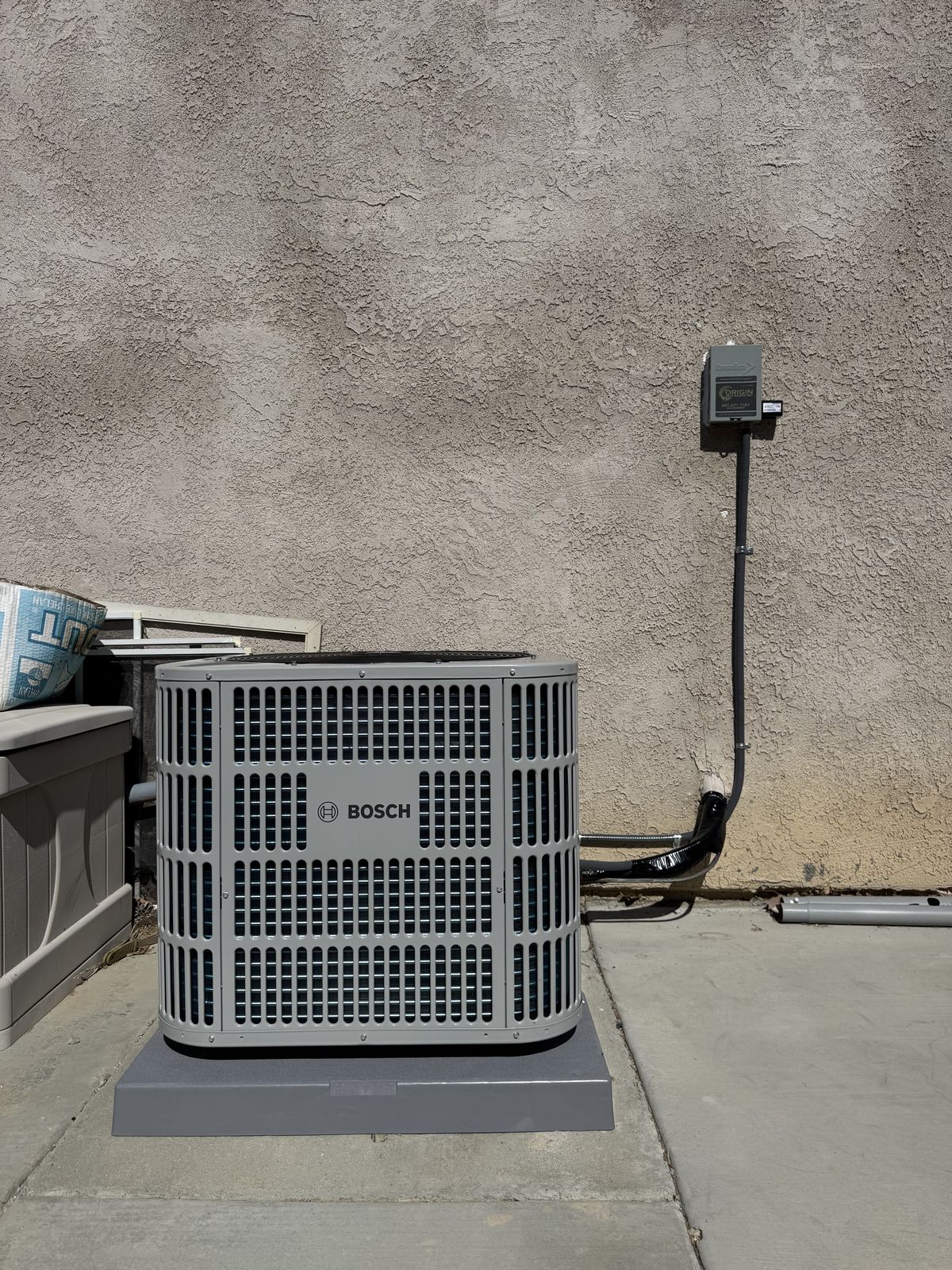
Older cooling equipment deserves informed attention, not an automatic verdict. Compressors, motors, capacitors, contactors, coils, wiring, refrigerant lines, and drainage components each age differently, which is why evaluating actual condition provides more useful information than simply counting years.
Origin Heating & Air provides cooling system inspections and service for Tehachapi homes with aging equipment. We can examine how the system is operating, identify components that deserve attention, and explain what the findings mean for continued use.
Call today to schedule an AC evaluation and have our HVAC contractors give you a clearer picture of how your older cooling system is holding up.
Frequently Asked Questions
Should I keep maintenance records for an older air conditioner?
Yes. Service dates, replaced components, refrigerant repairs, and previous diagnostic results create a useful history when new problems appear. Records also help you see whether repairs are isolated events or becoming more frequent as the equipment ages.
Does replacing one major AC component reset the system’s lifespan?
No. Replacing a compressor, motor, or coil gives that component a different service history, but the remaining equipment retains its original age and wear. Future decisions should consider the condition of the complete system rather than the age of its newest part.
Is an older AC automatically less efficient than a newer model?
Not automatically in day-to-day operation, although newer equipment may have higher rated efficiencies. Actual energy use also depends on equipment condition, sizing, ductwork, weather, thermostat settings, and the home’s cooling load, so age is only one factor.
Next Up: Before New AC Equipment Meets Your Electrical System
Continue with “Why Electrical Capacity Matters Before an AC Installation in Lancaster“ to learn how panel capacity, circuits, breakers, disconnects, and equipment electrical requirements factor into planning a new air conditioning installation.