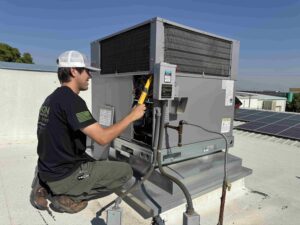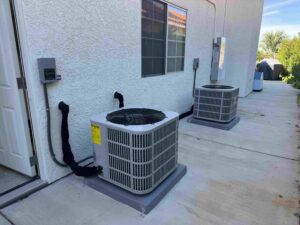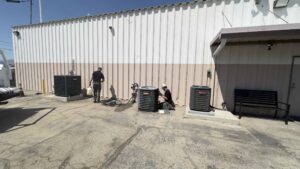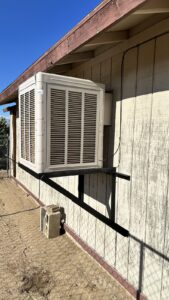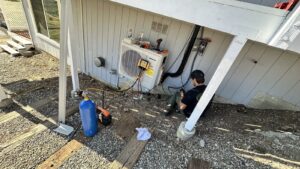
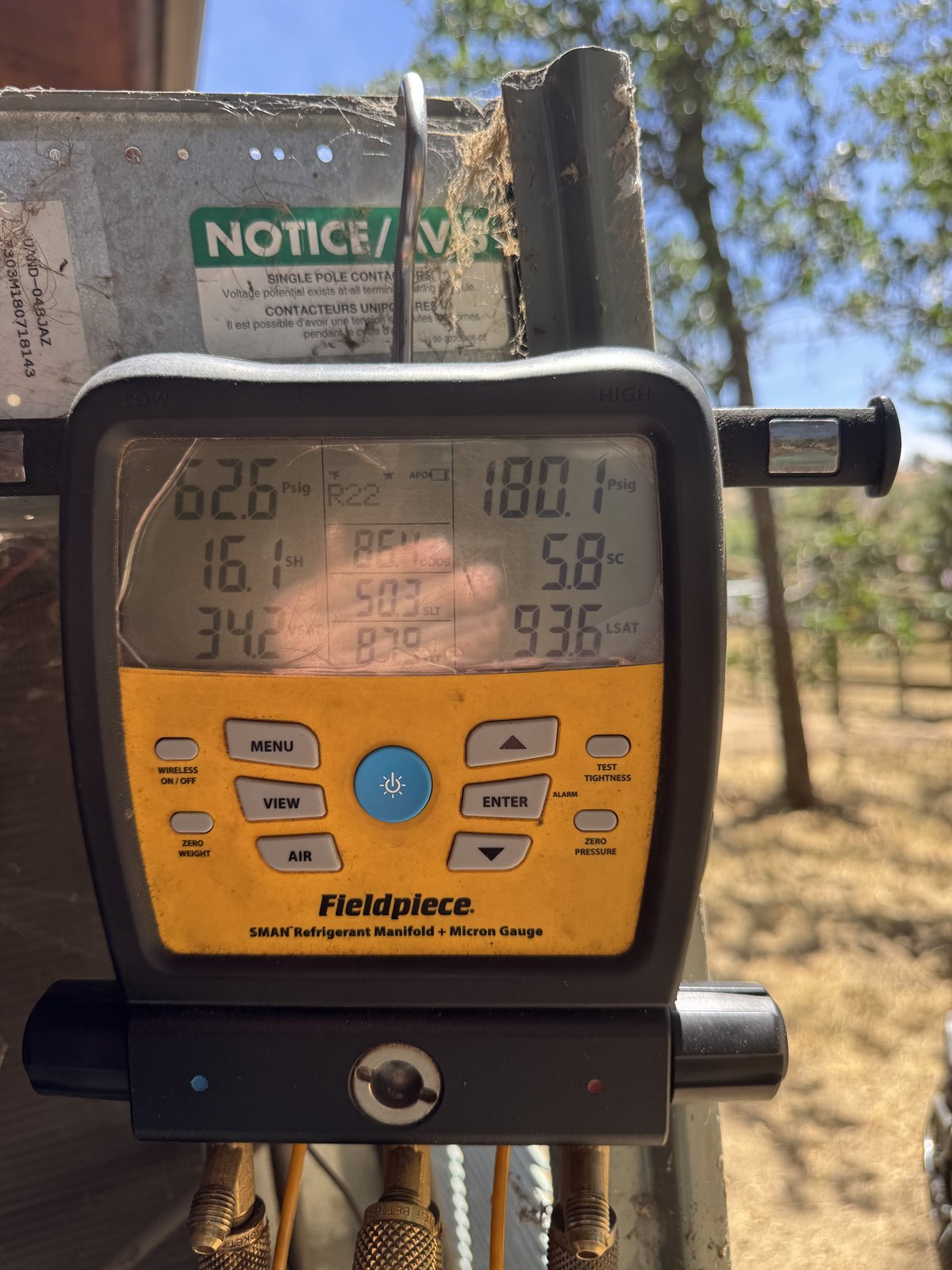
Seeing a new air conditioner turn on is satisfying, but hearing the compressor start does not tell you whether the entire system is operating as intended. After an AC installation in Lancaster, startup testing lets installers check how the equipment performs under real operating conditions. At Origin Heating & Air, this stage matters because installation involves more than placing equipment and connecting lines. The completed system still needs to move the expected amount of air, manage refrigerant as designed, drain condensate, communicate with its controls, and respond correctly to cooling calls.
That verification process is often called commissioning. Although the exact tests vary by equipment and installation, the goal stays straightforward: compare actual system operation with the specifications and conditions expected for that particular installation.
Why HVAC System Commissioning Matters After AC Installation
HVAC system commissioning checks whether newly installed equipment operates within the conditions intended for that system. Installation puts the components in place, while commissioning measures how airflow, refrigerant performance, electrical operation, drainage, and controls behave once the system is running.
A new air conditioner can turn on even when one of those conditions needs adjustment. Testing provides measurable information before the system begins handling long summer cooling cycles.
AC Startup Testing Should Begin With Basic System Operation
Before taking detailed measurements, AC startup testing should confirm that the operating sequence makes sense. The thermostat needs to request cooling, the indoor blower and outdoor equipment should respond, and the system should remain running without abnormal interruptions.
Several basic observations can establish a useful starting point:
- The thermostat starts and ends cooling calls correctly
- Indoor and outdoor equipment respond to those calls
- Fans and the compressor start as expected
- The system remains operating without unexpected shutdowns
- No unusual vibration, odors, or sounds appear during startup
Once that sequence checks out, technicians can move into airflow, refrigerant, electrical, and temperature measurements.
Static Pressure Can Reveal Restrictions in the Air Distribution System
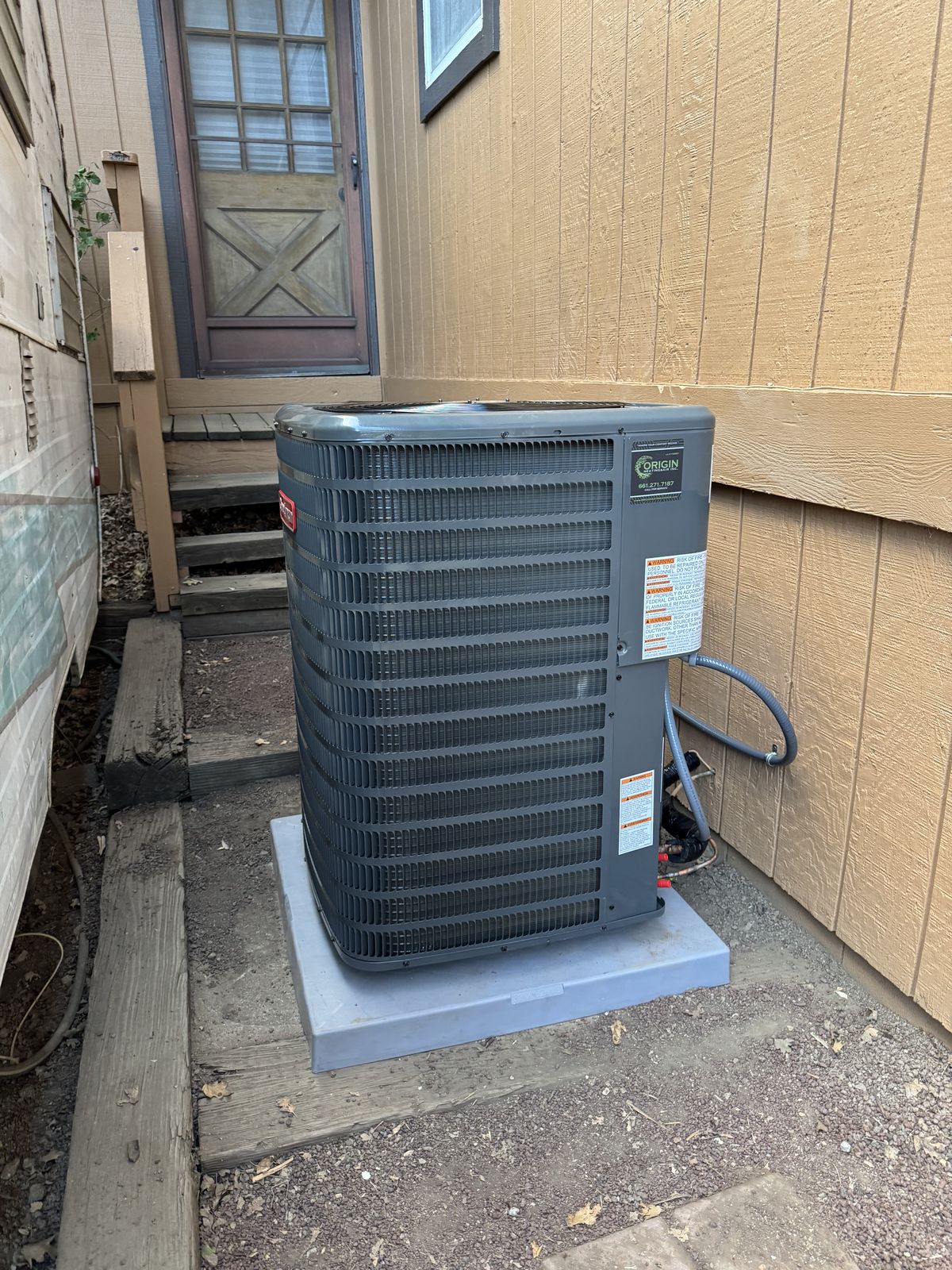
Static pressure indicates resistance to airflow within the duct system and indoor equipment. When resistance becomes excessive, the blower may struggle to move the amount of air the cooling system needs.
Measurements can help HVAC contractors identify whether the system is operating within the equipment manufacturer’s expected pressure range. If readings are high, the next step is figuring out where that resistance is coming from rather than simply increasing blower speed.
Filters, coils, undersized returns, restrictive duct sections, and registers can contribute to pressure conditions. Testing replaces assumptions with information from the completed system.
What Should Be Checked During Refrigerant Startup Testing?
The refrigeration circuit must absorb heat indoors, move it through the system, and release it outdoors. Startup testing checks whether the completed installation supports that process.
Refrigerant Charge
The installed charge should match the needs of the specific system and piping arrangement. Factory charge may account for a defined line length, while longer lines may require an adjustment based on manufacturer instructions.
Refrigerant Line Conditions
Check the line set for leaks, damaged insulation, stressed connections, and routing problems. These details matter because piping defects can affect performance even when the new equipment is operating.
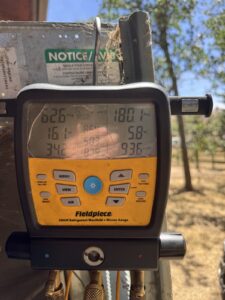
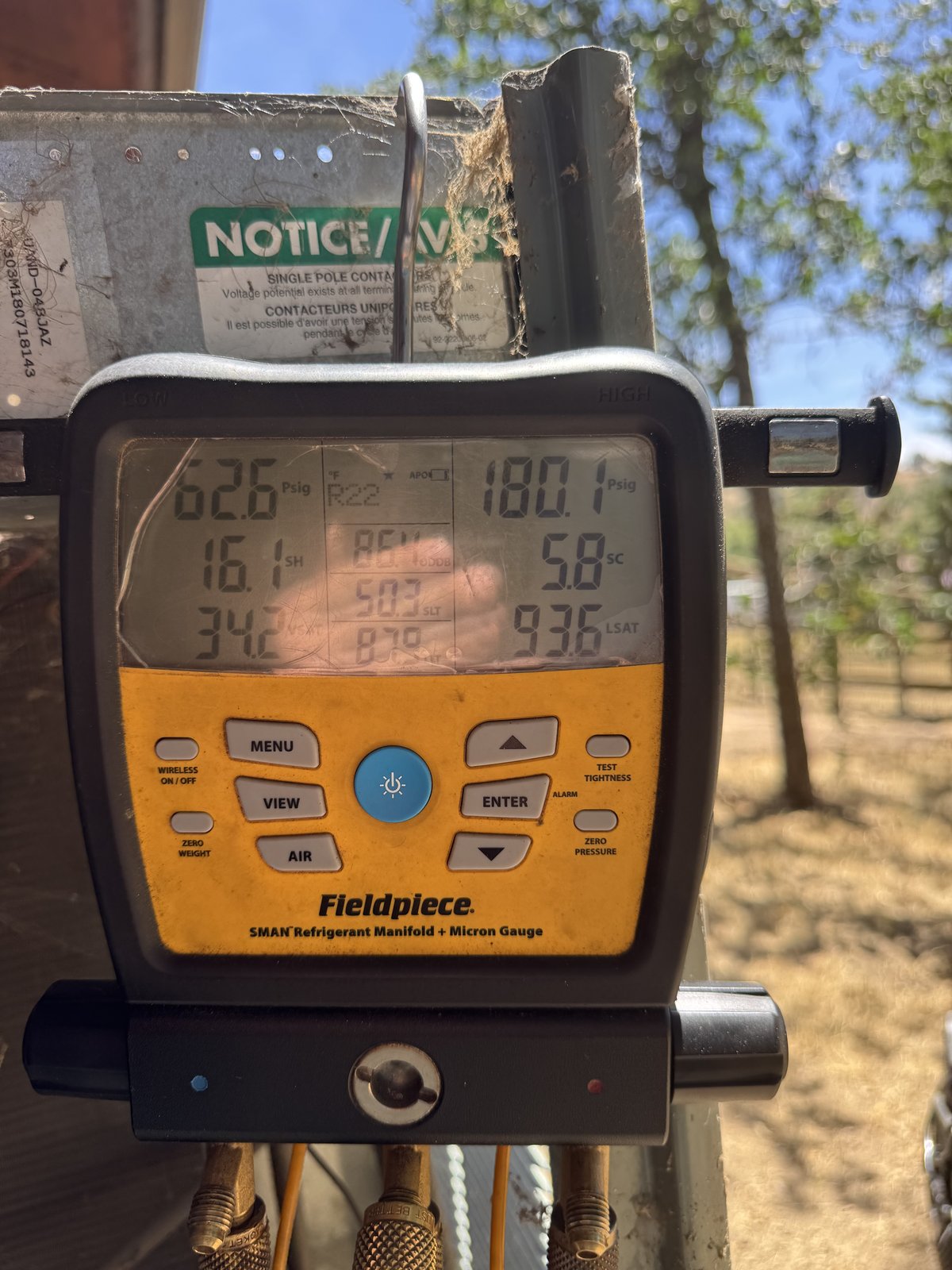
Operating Temperatures and Pressures
Pressure and temperature readings show how refrigerant moves through the system. Technicians interpret those values alongside airflow, indoor temperature, and outdoor conditions to determine whether anything falls outside the expected operating range.
Why Startup Testing Matters for a New AC Installation in Lancaster, CA
Lancaster’s summer heat can turn a small setup issue into a much more noticeable comfort problem once the system begins running for hours at a time. After a new AC installation in Lancaster, CA, startup testing lets you catch issues before peak cooling demand becomes routine.
Actual measurements will vary from one home to another because ductwork, equipment design, line length, indoor conditions, and controls differ. The goal is not identical readings across every installation, but operation that matches the requirements of the equipment installed in that specific home.
Installation Records Create a Useful Starting Point for Future Service
Startup measurements can also create a baseline for future service. If performance changes several years later, original readings may help show what has shifted since installation.
Lancaster property owners can keep model and serial numbers, thermostat configuration, refrigerant information, warranty documents, and any provided startup records. That history can make later troubleshooting more focused.
Finish Your Air Conditioning Installation in Lancaster, CA, With Real Testing
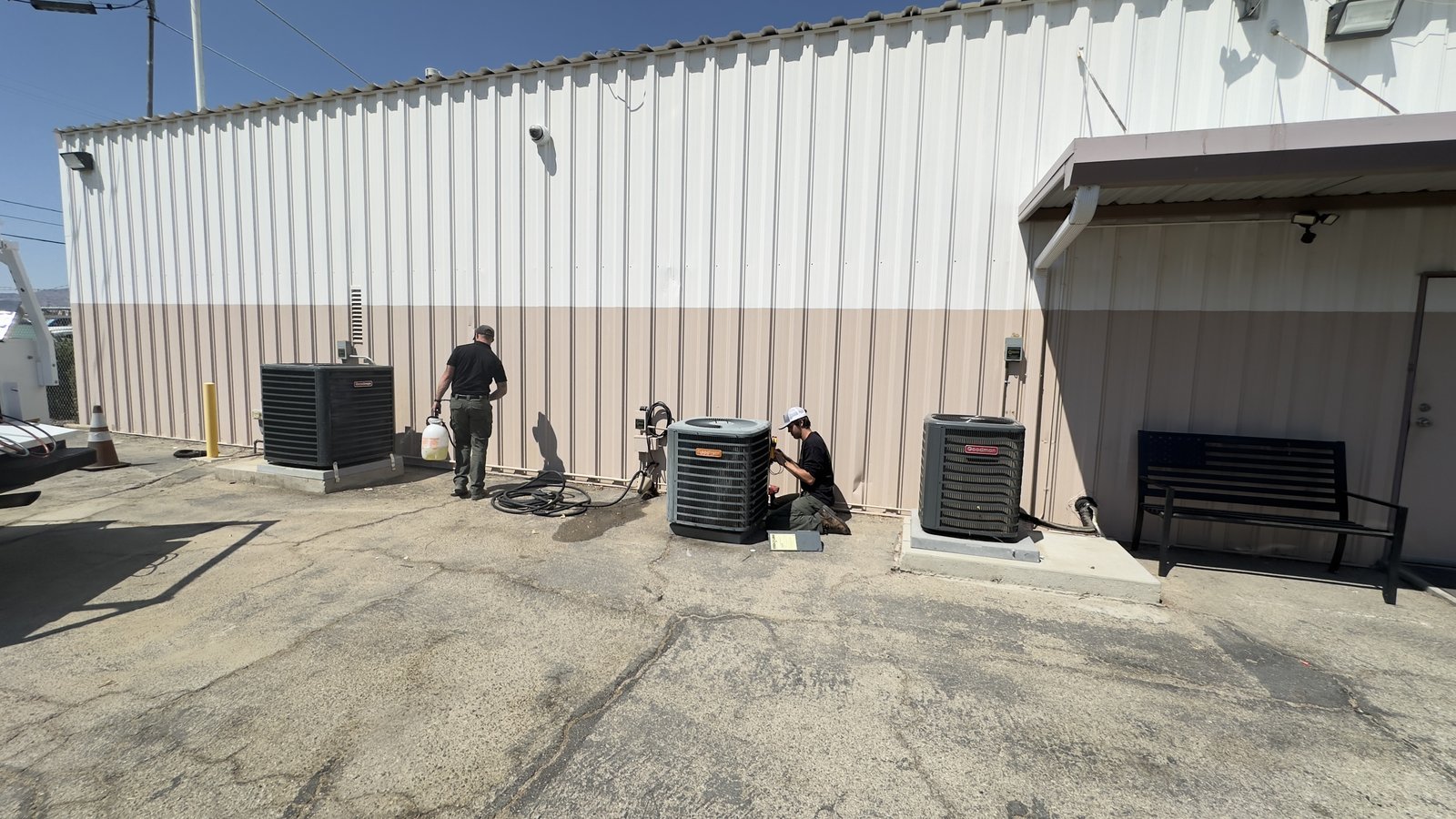
A successful air conditioning installation in Lancaster, CA, should end with measurable verification, not just confirming that the equipment turns on. Airflow, refrigerant conditions, electrical operation, drainage, temperature performance, and controls each provide a different piece of the final picture.
Origin Heating & Air works with Lancaster homeowners during AC installation and system startup. We can evaluate the completed equipment, review the relevant operating conditions, and explain what the results mean before the system settles into regular use.
Contact Origin Heating & Air today to discuss your AC installation needs and the testing involved in starting up a new cooling system.
Frequently Asked Questions
Should I receive documentation after a new AC installation?
Installation paperwork can be valuable for future service, warranty questions, and equipment identification. Keep model and serial information, warranty documents, thermostat instructions, invoices, and any startup records, so you have a clear history of the system from day one.
How soon after installation should I change the first air filter?
The answer depends on filter type, household conditions, and whether nearby construction created extra dust. Check the filter sooner than its maximum replacement interval during the first few months so you can learn how quickly it collects debris in your particular home.
Should I register new air conditioning equipment with the manufacturer?
Check the manufacturer’s warranty terms after installation because registration requirements and deadlines vary by brand and equipment. Completing any required registration and keeping confirmation records can help avoid confusion later if you need warranty coverage for an eligible component.
Keep Exploring Before Your Next HVAC Decision
Visit the Origin Heating & Air blog for more practical guides covering AC installation, cooling repairs, heating systems, maintenance, efficiency, airflow, and other HVAC questions that come up throughout the year.