According to the U.S. Department of Energy, heating and cooling account for nearly half of the average home’s energy use, making HVAC efficiency one of the biggest factors affecting monthly utility costs. When an HVAC short cycles in Lancaster, CA, the system often wastes energy while placing extra strain on critical components.
If your HVAC system keeps turning on and off repeatedly throughout the day, you may be dealing with short cycling. This problem can cause inconsistent temperatures, increase energy bills, and shorten the lifespan of your heating and cooling equipment. In Lancaster and Tehachapi, where HVAC systems work heavily during extreme heat and cold, short-cycling problems can escalate quickly if left unresolved.
Understanding what causes short cycling and how it is repaired can help homeowners avoid larger HVAC problems later.
What Is HVAC Short Cycling and Why Does It Happen?
Short cycling happens when an HVAC system shuts off before completing a normal heating or cooling cycle. Instead of running steadily until the home reaches the desired temperature, the system turns on and off repeatedly within short intervals.
Under normal conditions, an HVAC system should complete balanced cooling or heating cycles that maintain steady indoor comfort. Short cycling interrupts that process and creates unnecessary wear on the equipment.
This issue can develop for several different reasons, ranging from airflow restrictions to thermostat problems or equipment failure.
Why Short Cycling Is a Serious Problem for Your HVAC System
Frequent starts and stops place significantly more strain on HVAC equipment than normal operation. Every time the system restarts, electrical and mechanical components experience additional stress.
Over time, this can lead to:
- Increased energy consumption
- Uneven indoor temperatures
- Faster component wear
- Reduced system efficiency
- Higher repair frequency
Short cycling also prevents the system from operating efficiently long enough to cool or heat the home properly. As the problem worsens, comfort levels usually decline, while utility bills continue to rise.
10 Common Causes of HVAC Short Cycling
Oversized HVAC System
Systems that are too large for the home may cool or heat spaces too quickly, causing the unit to shut off prematurely before completing a full cycle.
Thermostat Issues
Poor thermostat placement near windows, vents, or direct sunlight can create inaccurate temperature readings that disrupt normal cycling patterns.
Dirty or Clogged Air Filters
Restricted airflow from dirty filters can affect system pressure and cause irregular cycling behavior.
Low Refrigerant Levels or Leaks
Low refrigerant levels prevent the system from cooling properly and may cause the unit to cycle abnormally.
Frozen Evaporator Coils
Frozen coils block airflow and reduce cooling performance, often forcing the system to repeatedly shut down.
Electrical or Control Board Problems
Faulty wiring, relays, or control boards can interrupt normal HVAC operation and trigger repeated cycling.
Blocked or Closed Air Vents
Closed vents may create airflow imbalance and increase system pressure, contributing to cycling issues.
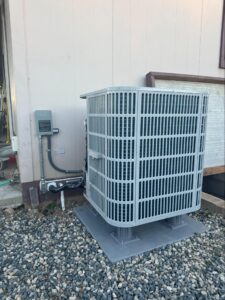
Dirty Condenser Coils
Outdoor condenser coils covered in dirt or debris may overheat, forcing the system to shut off prematurely.
Ductwork Restrictions or Leaks
Damaged or restricted ducts reduce airflow efficiency and may prevent the system from operating correctly.
Compressor Issues
The compressor is one of the most important parts of the HVAC system. Compressor problems can lead to irregular startup and shutdown behavior.
Many homeowners having issues with their AC turning on and off in Tehachapi CA are often dealing with one or more of these underlying system issues.
Why Short Cycling Is Common in Lancaster & Tehachapi Homes
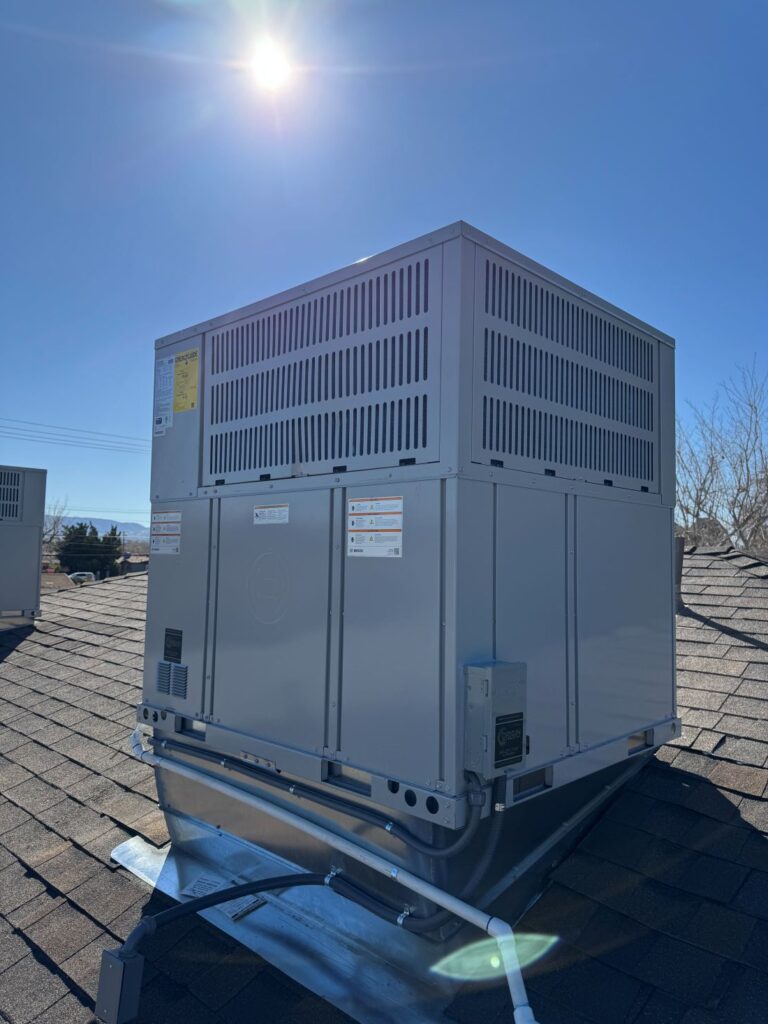
HVAC systems in Lancaster and Tehachapi experience heavy demand during periods of extreme temperatures. Long cooling cycles, high outdoor temperatures, and constant use place additional strain on HVAC systems and components.
Dust buildup is also common throughout the region and can gradually affect filters, coils, and airflow performance. Older systems often struggle even more under these conditions.
These factors may contribute to:
- Increased wear and tear
- Reduced cooling efficiency
- More frequent system shutdowns
- Higher risk of breakdowns
As short cycling continues, system performance tends to become less reliable over time.
Signs Your HVAC System Needs Immediate Attention
Short cycling problems rarely improve on their own. Recognizing the warning signs early may help prevent larger repairs later.
System Turns On and Off Frequently
The most obvious sign is the HVAC system repeatedly cycling within short intervals.
Inconsistent Indoor Temperatures
Rooms may feel warmer or cooler than expected because the system is not completing full cycles.
Rising Energy Bills
Frequent cycling increases energy use and often results in noticeably higher utility costs.
Poor Cooling During Peak Heat
During especially hot afternoons in Lancaster and Tehachapi, struggling systems may struggle to maintain comfortable indoor temperatures.
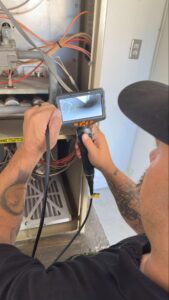
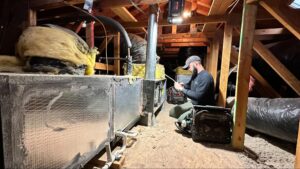
If your HVAC system keeps turning on and off, a professional inspection is usually the best way to determine the exact cause before additional damage occurs.
Cost, Efficiency & Long-Term Impact
The cost of repairing short cycling depends on the source of the problem. Some issues involve simple adjustments, while others may require more extensive system repairs.
Repair costs may depend on:
- System age
- Severity of the issue
- Type of damaged component
- Airflow condition
- Refrigerant or electrical repairs
Ignoring short cycling often leads to higher long-term costs because the system continues to operate under abnormal stress.
Long-term effects may include:
- Compressor failure
- Reduced HVAC lifespan
- Higher monthly utility costs
- Repeated repair visits
- Lower overall efficiency
Addressing the issue early usually helps reduce both repair costs and long-term equipment strain.
Why Professional HVAC Diagnosis Is Critical
Many different issues can cause short cycling, and several symptoms often overlap. Replacing the wrong component or making temporary adjustments may fail to solve the actual problem.
A professional HVAC inspection helps identify:
- Airflow restrictions
- Thermostat problems
- Refrigerant issues
- Electrical faults
- Equipment sizing concerns
- System performance problems
Experienced HVAC technicians can evaluate the full system and recommend repairs based on accurate diagnostics rather than guesswork.
What Customers Are Saying
Homeowners dealing with short cycling often say it’s frustrating when the HVAC system never seems to run properly for long. Many customers appreciate receiving a clear explanation of the issue instead of temporary fixes that fail after a few weeks.
Others value fast diagnostics and accurate repairs that restore consistent cooling and reduce repeated shutdowns.
Where to Fix HVAC Short Cycling in Lancaster & Tehachapi
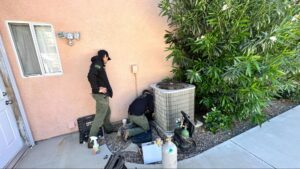
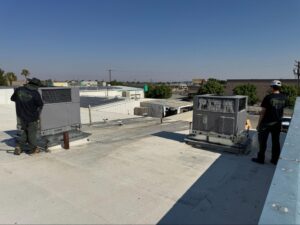
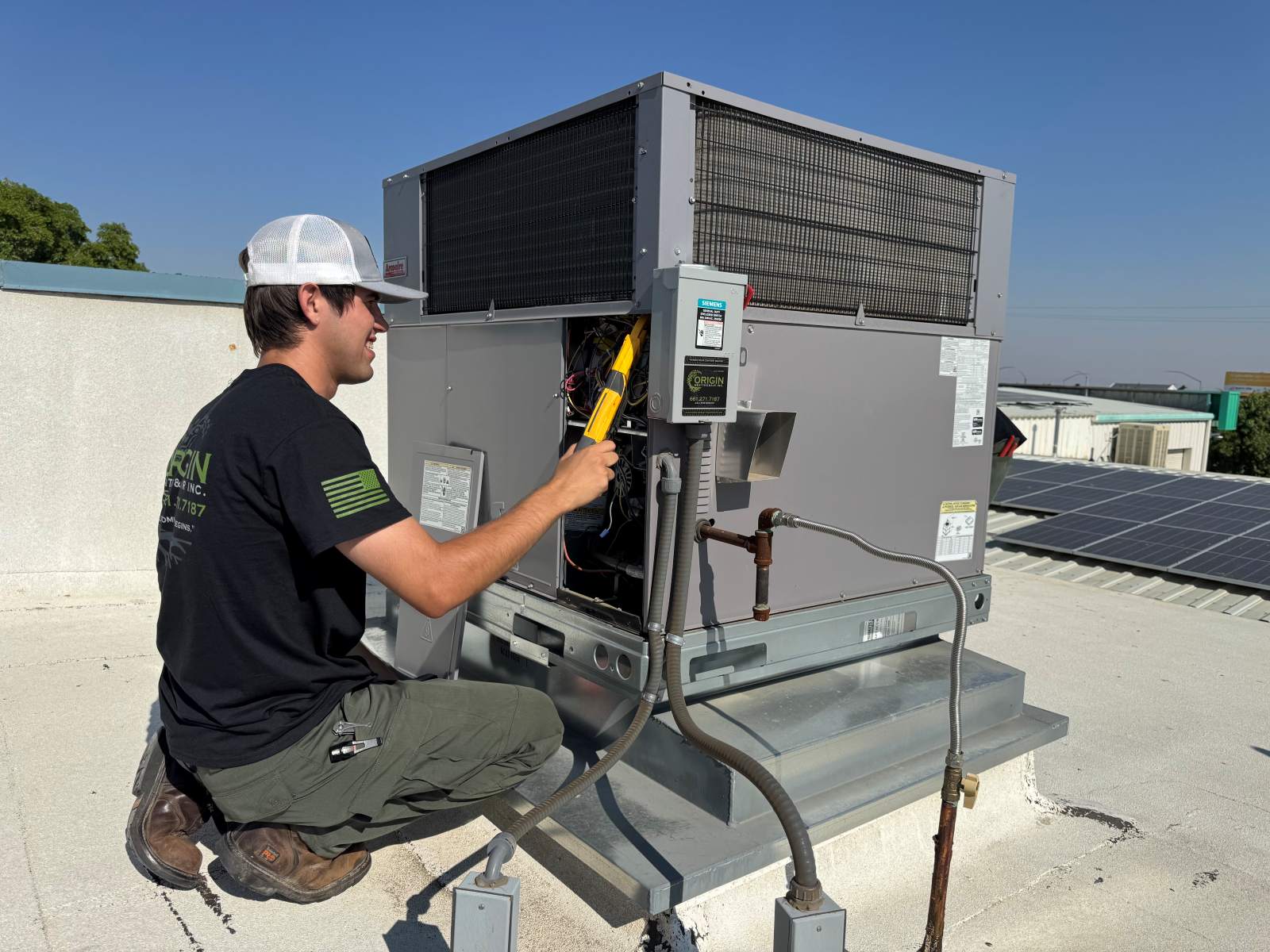
Origin Heating & Air provides HVAC inspections and repair services throughout Lancaster and Tehachapi. Our team diagnoses airflow issues, refrigerant problems, electrical faults, thermostat concerns, and other system conditions that contribute to short cycling.
We take a full-system approach to troubleshooting so homeowners receive solutions designed to improve efficiency, comfort, and long-term HVAC performance.
Learn more about our HVAC repair services to explore options for correcting short cycling problems in your home.
Schedule an HVAC System Inspection
Short cycling can increase energy costs, reduce comfort, and place unnecessary strain on your HVAC system. Delaying repairs may eventually lead to larger equipment failures and more expensive service needs.
If your HVAC system keeps turning on and off, schedule an HVAC system inspection with Origin Heating & Air. We proudly serve Lancaster and Tehachapi homeowners with professional diagnostics and dependable HVAC repair solutions.
Frequently Asked Questions
What does HVAC short cycling mean?
Short cycling happens when an HVAC system turns on and off repeatedly without completing a full heating or cooling cycle.
Can a dirty air filter cause short cycling?
Yes. Dirty air filters can restrict airflow, increase system pressure, and contribute to irregular cycling behavior.
Is short cycling bad for my HVAC system?
Yes. Frequent starts and stops place additional stress on HVAC components, reduce efficiency, and may shorten the system’s lifespan.
Explore More HVAC Tips & Home Comfort Resources
Heating and cooling problems can affect everything from comfort and airflow to monthly energy costs. Understanding the warning signs early can help homeowners avoid larger repairs and improve overall HVAC performance.
Visit the Origin Heating & Air blog for more articles covering furnace issues, airflow problems, AC performance concerns, energy efficiency tips, and professional HVAC guidance for Lancaster and Tehachapi homeowners.