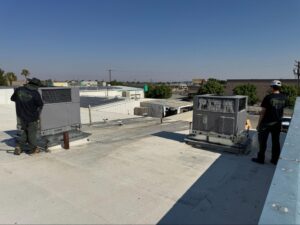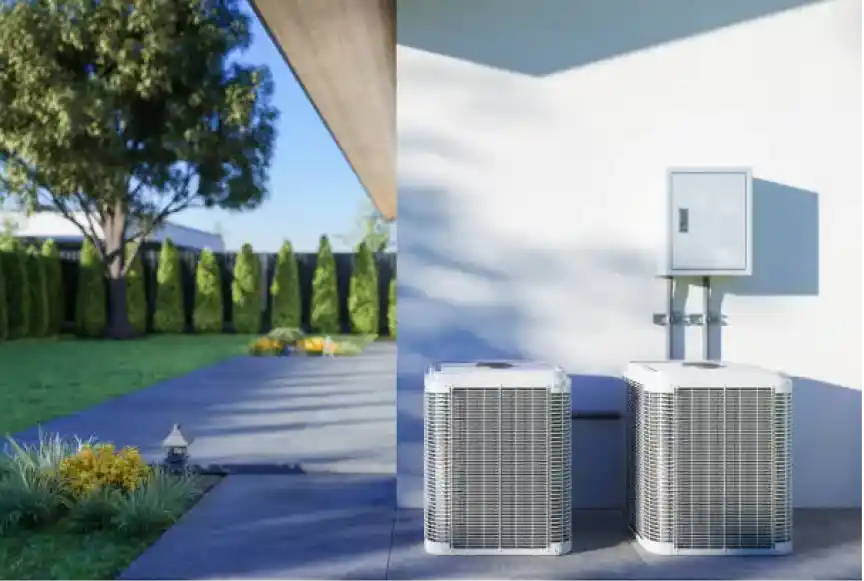
As cooling demands increase during Palmdale’s long summers, system efficiency becomes an important factor in both comfort and operating costs. That is one reason many homeowners begin exploring AC installation in Palmdale, CA, when their current equipment starts showing its age.
Modern cooling systems have evolved significantly over the past decade. At Origin Heating & Air, we often speak with homeowners who are surprised by the advancements available in today’s equipment. While every home has different cooling needs, understanding the benefits of a newer system can help homeowners make informed decisions when evaluating future upgrades.
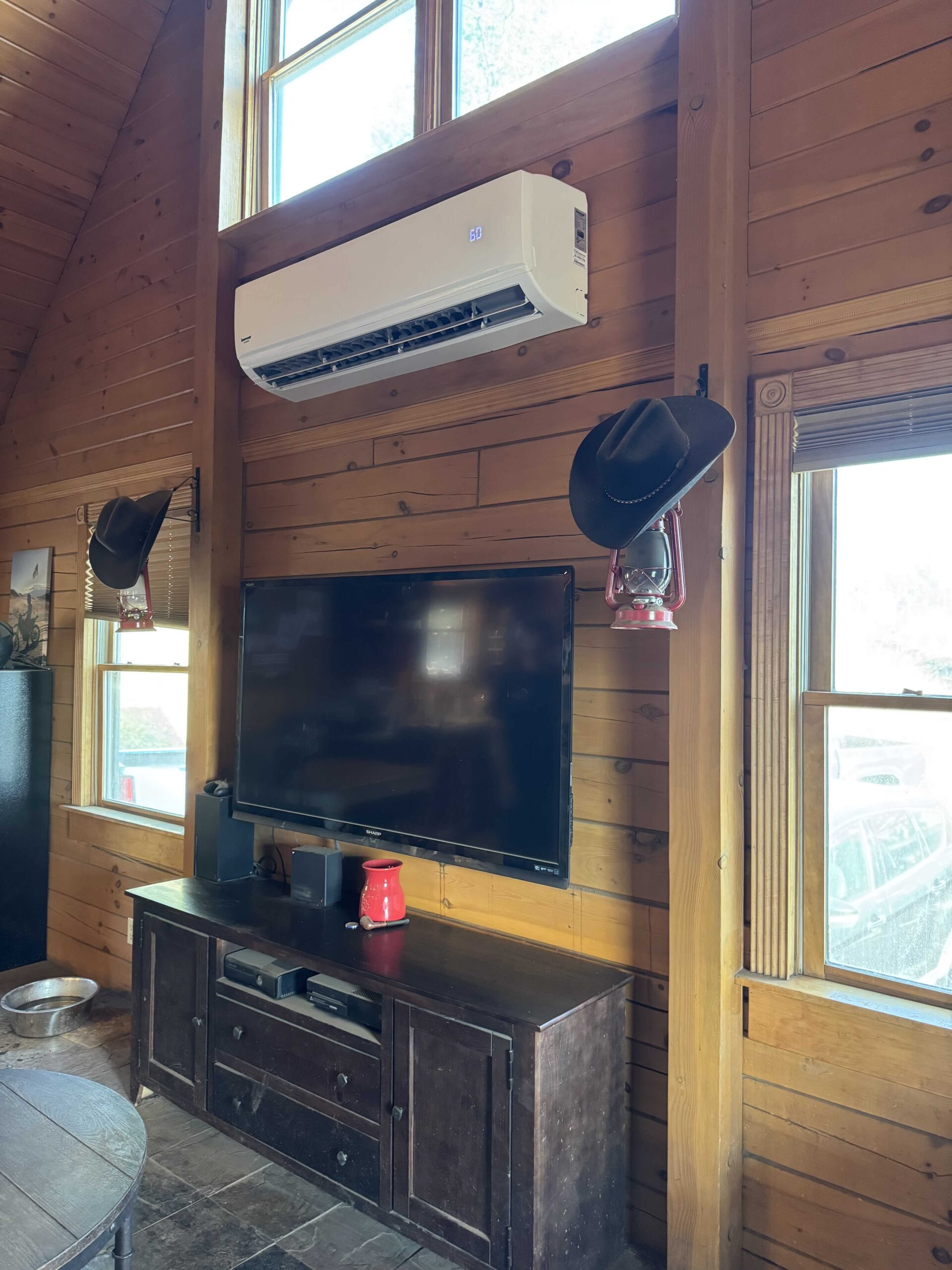
Why More Homeowners Are Considering AC Replacement Palmdale Projects
Air conditioners are designed to last for many years, but no system operates forever. Over time, components wear down, efficiency declines, and repair frequency may increase.
As a result, many homeowners eventually begin researching AC replacement services in Palmdale to determine whether upgrading makes sense. While repairs can often extend equipment life, there comes a point when replacement becomes a practical option worth considering.
Several factors commonly influence upgrade decisions, including:
- System age
- Repair frequency
- Utility costs
- Cooling performance
- Comfort concerns
Understanding these factors can help homeowners determine when it may be appropriate to evaluate newer equipment options.
What Makes a High-Efficiency Air Conditioner Different?
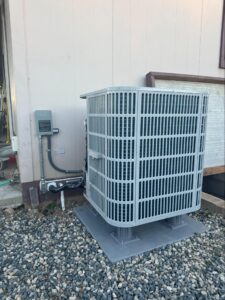
A high-efficiency air conditioner is designed to provide effective cooling while using less energy than older systems. Manufacturers accomplish this through improved engineering, enhanced airflow design, advanced compressors, and smarter control systems.
Many modern units are built to deliver more precise temperature control and improved operating efficiency. As a result, homeowners often experience more consistent indoor comfort compared to aging equipment.
While efficiency ratings vary among models, newer systems generally offer significant technological improvements over equipment installed many years ago.
Lower Cooling Costs During Palmdale Summers
One of the most discussed benefits of upgrading involves the potential for lower cooling costs. Because air conditioners often run extensively during Palmdale summers, even modest efficiency improvements can affect overall energy consumption.
Older systems frequently require more energy to achieve the same cooling results. As equipment ages, components become less effective and may force the system to run longer cooling cycles.
A newer system may help reduce energy waste by operating more efficiently. Although savings vary with household usage patterns and equipment selection, many homeowners consider energy performance an important factor when evaluating replacement options.
Improved Comfort Throughout the Home
Comfort involves more than simply reaching a thermostat setting. Temperature consistency, airflow quality, and humidity management all contribute to how a home feels during the cooling season.
Many older systems struggle to maintain even temperatures throughout the home. Consequently, some rooms may feel warmer while others remain comfortable.
Newer systems often provide improved airflow management and more consistent cooling distribution. This can help create a more balanced indoor environment during periods of extreme heat.
Energy-Efficient Cooling Systems Offer Better Performance
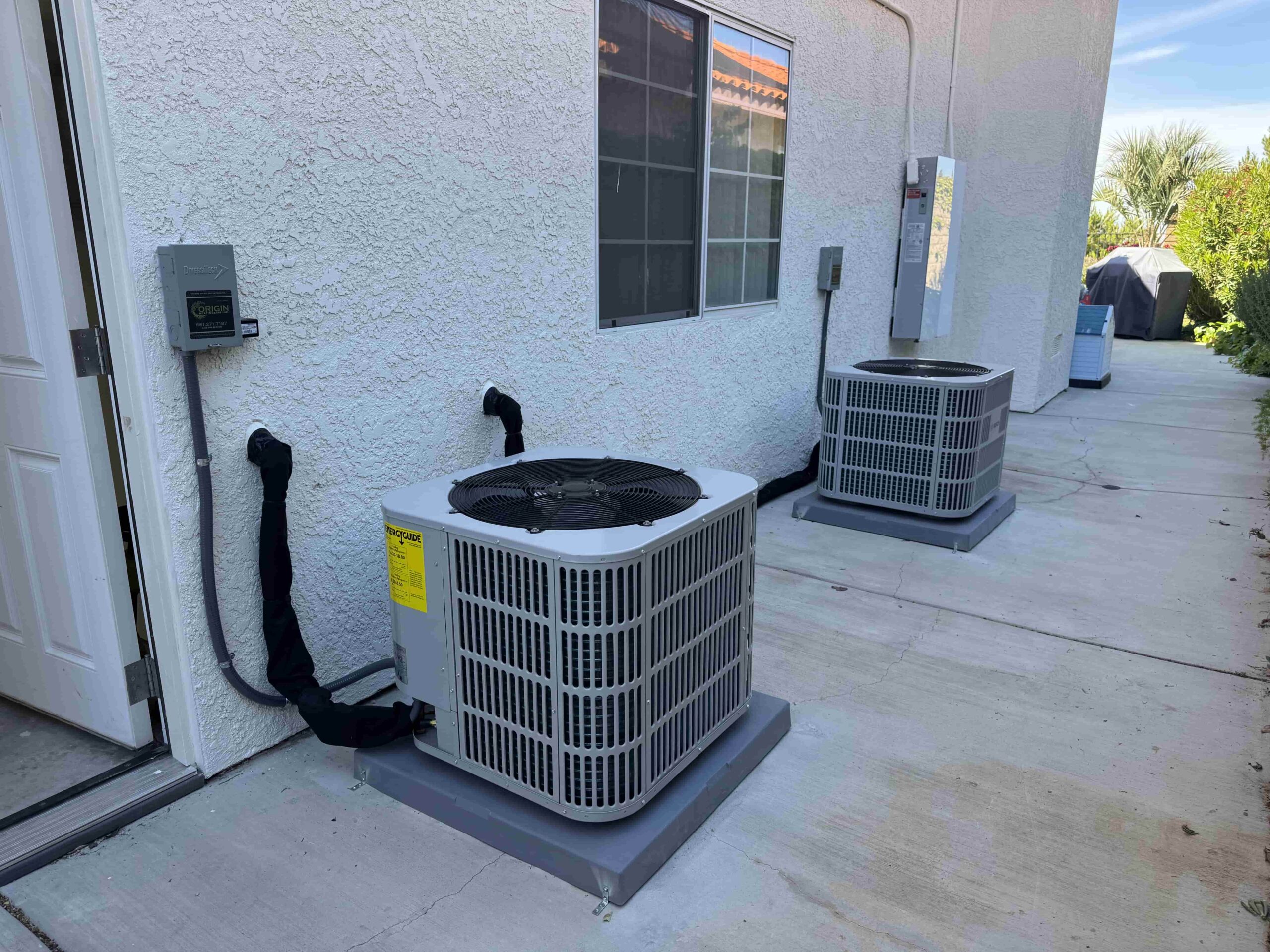
Modern energy-efficient cooling systems are designed to adapt more effectively to changing conditions. Rather than operating at a single output level, some systems can adjust their performance based on cooling demand.
This flexibility allows equipment to maintain comfort more consistently throughout the day. Instead of repeatedly starting and stopping, certain systems operate in a more controlled manner.
As a result, homeowners may experience:
- More stable indoor temperatures
- Improved airflow
- Reduced system strain
- Better overall cooling performance
These operational improvements often contribute to a more comfortable living environment during the hottest months of the year.
The Role of Modern HVAC Technology
One of the biggest differences between older and newer equipment involves modern HVAC technology. Manufacturers continue developing features designed to improve efficiency, comfort, and system management.
Many newer systems may include:
- Variable-speed components
- Advanced thermostatic controls
- Smart thermostat compatibility
- Improved refrigerant management
- Enhanced airflow systems
These technologies help systems respond more effectively to changing cooling demands. While specific features vary by model, many homeowners appreciate the additional control and convenience available with modern equipment.
Reduced Wear and Tear on Equipment
Older air conditioners often work harder to maintain comfortable temperatures. As temperatures rise, aging equipment may struggle to keep pace with cooling demand.
This increased workload can accelerate wear on important components. Compressors, motors, and electrical parts may experience additional stress during extended cooling cycles.
A newer system typically operates more efficiently, which may reduce unnecessary strain. Consequently, the equipment can often maintain desired temperatures with less effort.
Quieter Operation Can Improve Comfort
Noise levels are not always the first thing homeowners consider when evaluating cooling equipment. However, they often become noticeable once a new system is installed.
Many older units produce louder operational sounds due to aging components and outdated designs. Newer equipment frequently incorporates features that help reduce operational noise.
Quieter performance may contribute to a more pleasant indoor and outdoor environment, especially in the evenings, when cooling systems continue operating even after temperatures have risen.
Better Indoor Air Quality Support
Air conditioners play an important role in circulating air throughout the home. While filtration systems handle much of the air-cleaning process, HVAC performance also contributes to indoor air quality.
Newer systems often work more effectively with modern filtration technologies. Improved airflow can help support more consistent air circulation and filtration performance.
Although no air conditioner eliminates every airborne contaminant, efficient operation can contribute to a healthier and more comfortable indoor environment.
Fewer Unexpected Breakdowns
As equipment ages, the likelihood of unexpected repairs often increases. While routine maintenance helps support reliability, older systems naturally experience more wear over time.
Repeated breakdowns can be frustrating, especially during periods of extreme heat when cooling is most needed. Consequently, some homeowners begin to consider a replacement after experiencing multiple repair visits.
A newer system does not eliminate the need for maintenance. However, many homeowners appreciate the peace of mind that comes with operating newer equipment that has fewer years of accumulated wear.
Is It Time to Consider an Upgrade?
Every cooling system reaches a point where homeowners begin evaluating future options. The decision often depends on several factors working together rather than a single issue.
Some common reasons homeowners start exploring AC installations include:
- Frequent repairs
- Rising energy bills
- Inconsistent cooling
- Equipment age
- Reduced reliability
Evaluating these factors can help homeowners determine whether upgrading aligns with their comfort goals and long-term plans.
Understanding the Importance of Professional System Sizing
Selecting a new air conditioner involves more than choosing a high-efficiency model. Proper system sizing plays a critical role in overall performance.
An oversized unit may cool too quickly and cycle frequently. Conversely, an undersized system may struggle to keep up during periods of extreme heat.
Professional evaluations help ensure equipment is properly matched to the home’s cooling requirements. This step supports both efficiency and long-term performance.
Explore High-Efficiency Cooling Options for Your Home
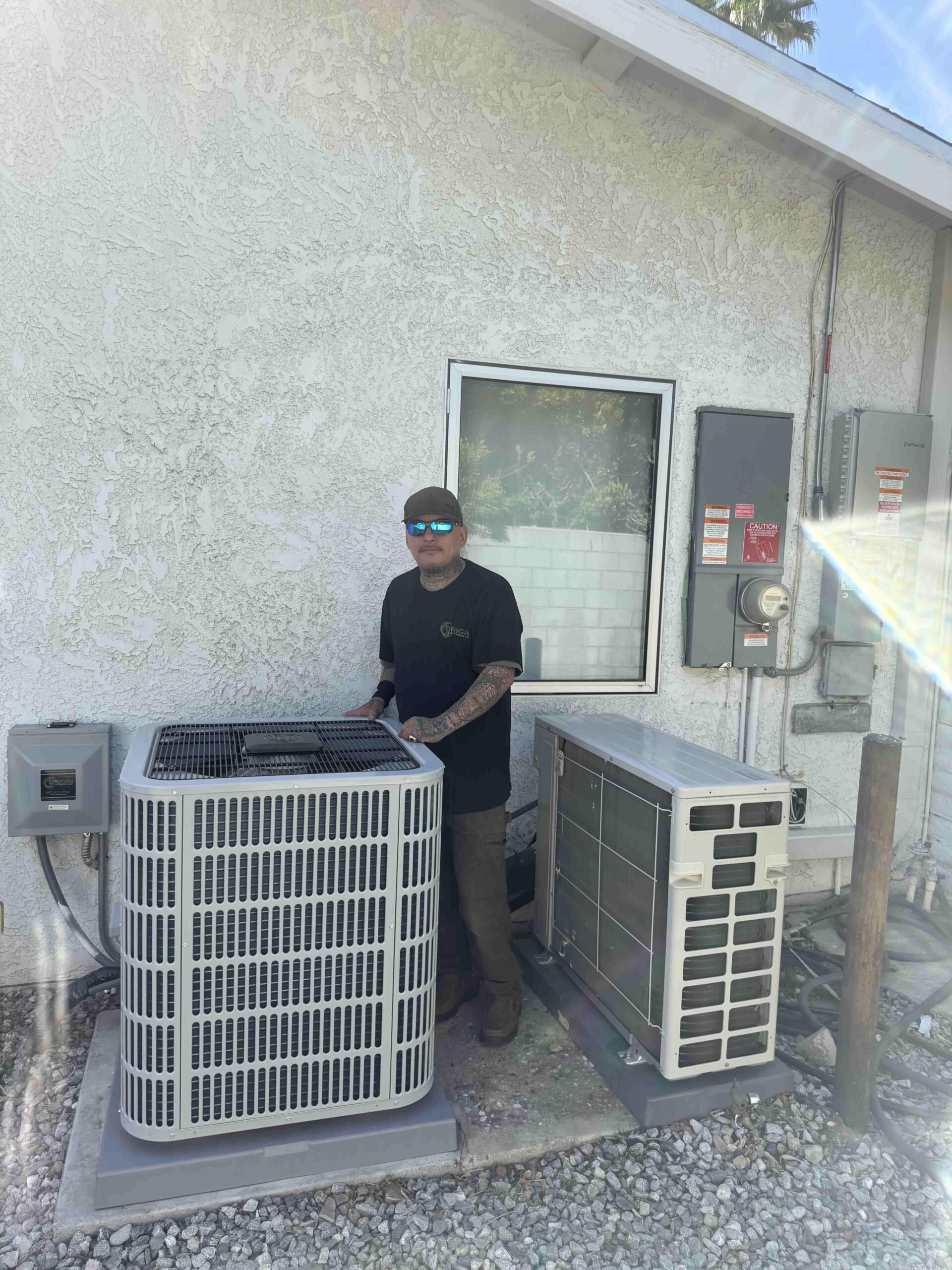
Upgrading to a newer cooling system can provide benefits ranging from improved comfort and efficiency to quieter operation and enhanced reliability. While every household has unique needs, understanding the advantages of modern equipment can help homeowners make informed decisions.
At Origin Heating & Air, we help Palmdale homeowners evaluate cooling options based on their home’s needs, comfort goals, and long-term plans. Whether you are exploring replacement options or simply gathering information, our team is here to help.
Contact Origin Heating & Air today to learn more about high-efficiency cooling systems and professional AC installation services.
Frequently Asked Questions
Can solar panels work with a new air conditioning system?
Yes, many homeowners pair modern air conditioning systems with residential solar installations. While the systems operate independently, improved HVAC efficiency may help maximize the overall benefits of solar energy production.
Do newer air conditioners require different thermostats?
Not necessarily. Some newer systems can operate with existing thermostats, while others may perform best with upgraded smart controls or manufacturer-recommended devices. Compatibility often depends on the specific equipment selected.
Can a high-efficiency AC system be installed in an older home?
In many cases, yes. Older homes can often accommodate newer cooling equipment, although ductwork, insulation, and electrical systems may need to be evaluated before installation. A professional assessment helps determine what adjustments, if any, may be necessary.
Continue Exploring HVAC Tips and Home Comfort Insights
Visit the Origin Heating & Air blog to explore additional articles covering air conditioning, heating, indoor comfort, energy efficiency, and homeowner HVAC education throughout Palmdale and the surrounding communities.