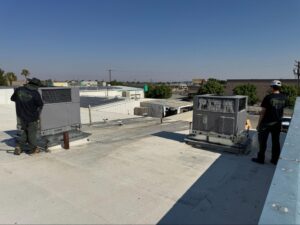
Your air conditioner should not have to battle every bit of outdoor heat that reaches your house. Better insulation slows heat transfer through ceilings, walls, and floors, so HVAC systems in Tehachapi have less heat to remove during hot weather. At Origin Heating & Air, we encourage homeowners to consider the house itself when investigating long cooling cycles, uncomfortable rooms, or equipment that seems to work harder than expected.
That connection matters in Tehachapi, where intense sunlight and hot summer afternoons can impose a substantial cooling load on a house. Instead of asking the AC to compensate for uncontrolled heat transfer all day, insulation helps the building hold onto the conditioned air the system has already produced.
Your House and HVAC System Work as One Cooling System
An air conditioner removes heat from indoor air, but the house determines how quickly new heat replaces it. Heat continually moves from warmer areas to cooler ones, so outdoor heat naturally flows toward an air-conditioned interior during summer.
Insulation creates resistance to that heat flow. When the thermal barrier performs well, indoor temperatures change more slowly, and the air conditioner receives more time between cooling cycles.
Poor insulation creates the opposite situation. The AC removes heat, indoor conditions improve, and then heat quickly moves back through the building shell. The equipment must start another cycle sooner because the house cannot maintain the temperature for very long.
Understanding Home Heat Gain
Home heat gain refers to the heat entering or generated inside a house. Solar energy through windows, heat moving through roofs and walls, outdoor air leaking through gaps, appliances, lighting, and occupants can all contribute to the cooling load.
Insulation primarily targets heat transfer through the building materials separating conditioned rooms from hotter spaces. During a Tehachapi summer afternoon, the temperature difference between an air-conditioned room and the space above its ceiling can be substantial.
Reducing that transfer does not cool the attic. Instead, it slows the rate at which attic heat reaches the living space below, making the cooling system’s job more manageable.
Why Attic Insulation in Tehachapi Deserves Attention
The attic sits directly between your living space and one of the hottest surfaces on the house: the roof. Sunlight heats roofing materials, and that energy raises temperatures in the attic below.
Adequate attic insulation in Tehachapi helps prevent heat from moving from the hot attic into conditioned rooms. Without enough insulation, ceilings can become warmer, and rooms below them may gain heat faster throughout the afternoon.
This issue can become particularly noticeable on upper floors and in rooms with large ceiling areas directly below the attic. Homeowners may respond by lowering the thermostat, but that asks the AC to remove more heat without reducing the source of the additional load.
R Value Tells You How Strongly Insulation Resists Heat Flow
Insulation performance is commonly described using R value. Higher R values indicate greater resistance to conductive heat flow, although the appropriate amount depends on climate, insulation type, installation location, and existing construction.
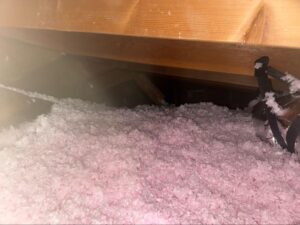
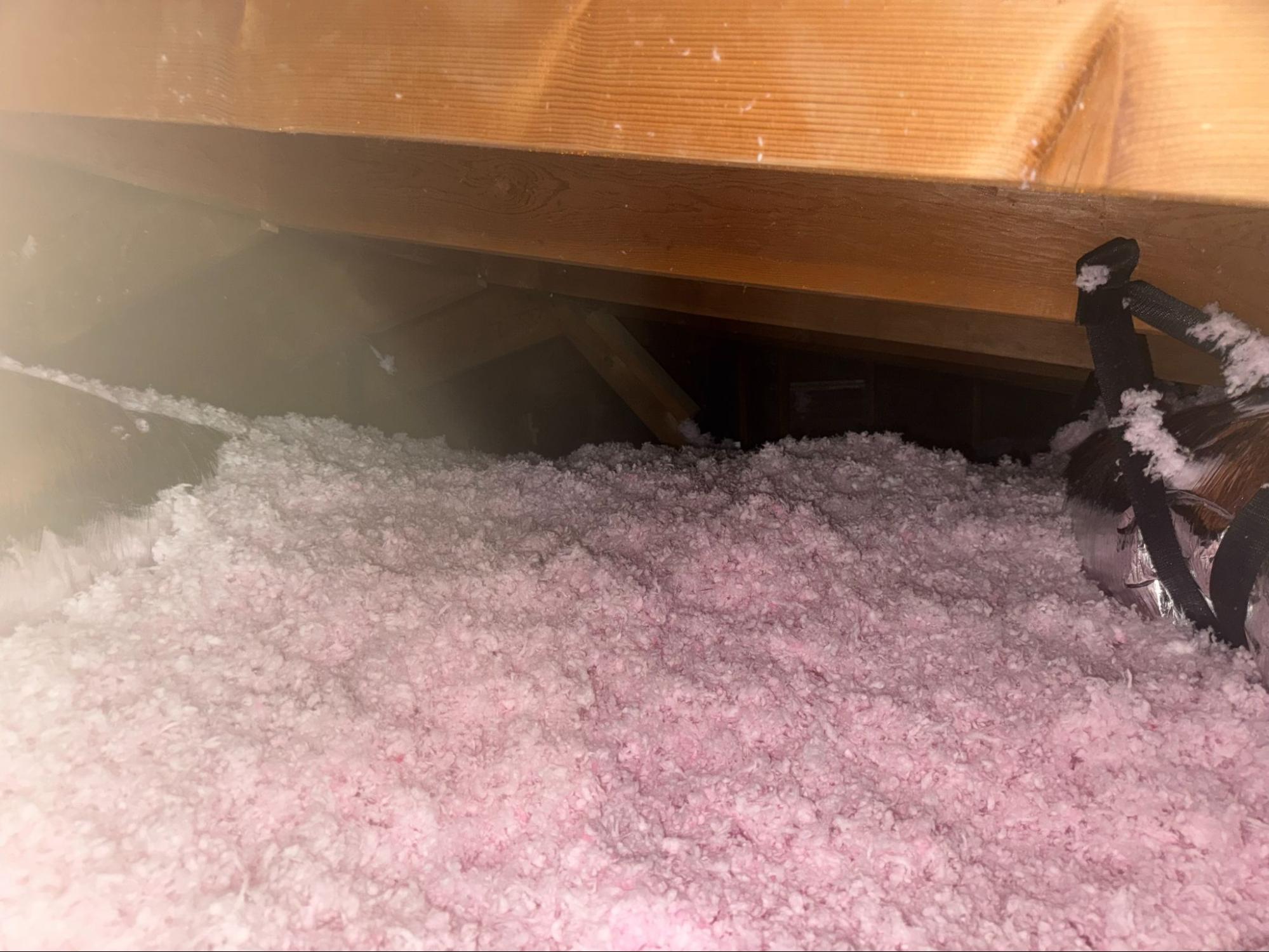
Thickness alone does not tell the entire story. Compressed insulation, gaps between sections, and areas where insulation has shifted can reduce the effectiveness of the overall thermal barrier.
For example, an attic may appear to have plenty of insulation at first glance, yet still have thin sections around access points or other penetrations. Those weak spots create easier pathways for heat to move toward the living space.
Insulation and Air Conditioning Affect Each Other Every Day
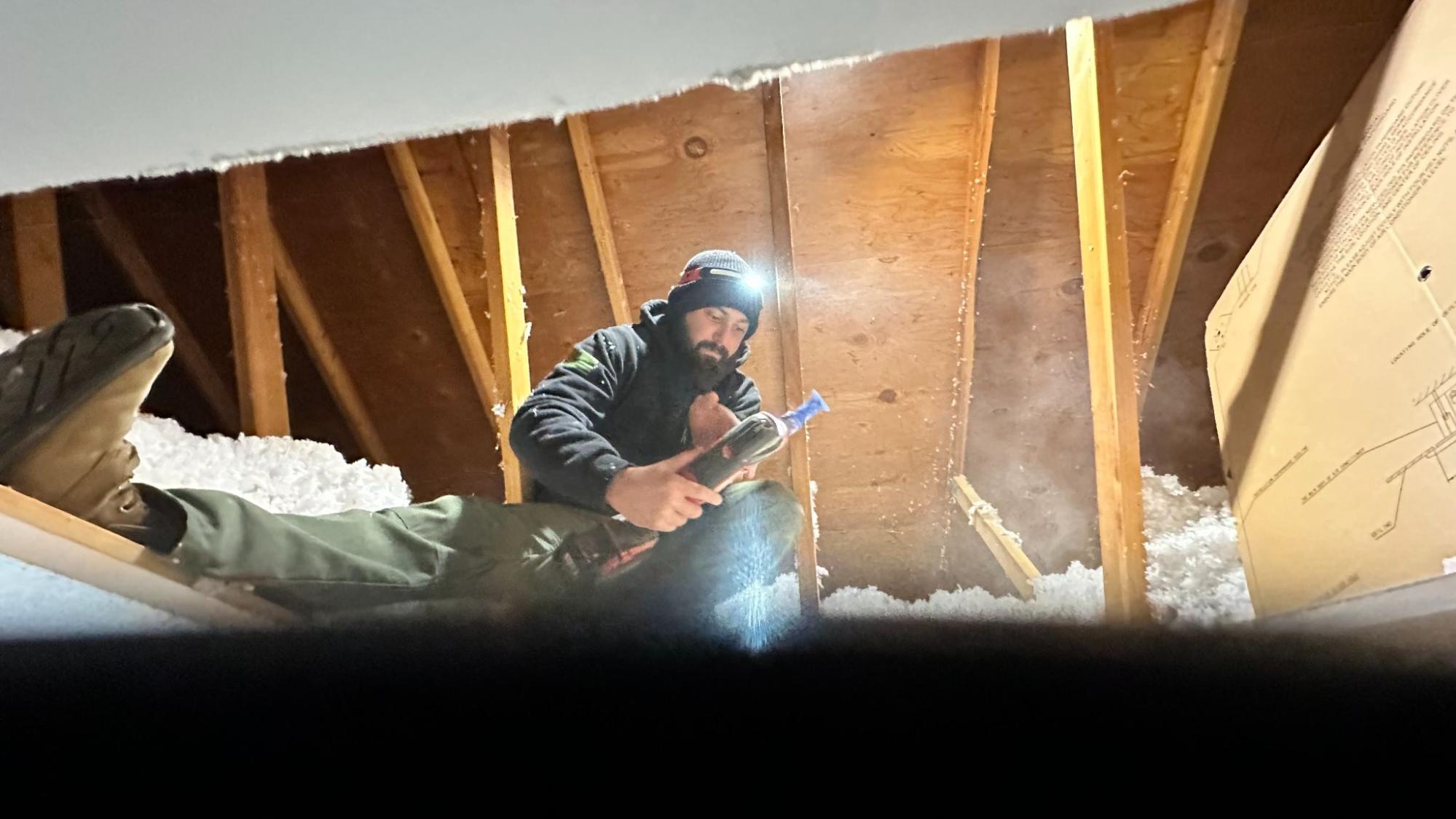
The relationship between insulation and air conditioning is straightforward: insulation slows the transfer of unwanted heat, while the AC removes heat that still reaches the interior. Neither performs the other’s job.
When insulation is insufficient, the air conditioner may still reach the thermostat setting, but it may require longer or more frequent cycles to do so. That difference becomes important when evaluating why two similar homes with comparable HVAC equipment have very different summer energy use.
Improving the thermal barrier reduces one source of demand instead of simply asking the mechanical system to compensate for it. That can make comfort easier to maintain without relying on increasingly aggressive thermostat settings.
Better Insulation Can Shorten the HVAC System Workload
An HVAC system’s workload is influenced by how much heating or cooling the equipment must provide and how long it must operate. During summer, greater heat gain generally means the air conditioner has more heat to remove.
Reducing heat transfer through insulated surfaces can lower that demand. The system may reach its target temperature with less runtime and spend more time between cooling cycles, depending on outdoor conditions and the rest of the home’s construction.
Less runtime does not mean the AC should constantly switch on and off. Cooling equipment still needs appropriate cycle lengths, but reducing unnecessary heat gain helps prevent the house from requiring more cooling than its construction should.
Insulation Can Help Rooms Hold Their Temperature Longer
A comfortable room should not immediately become hot once an AC cycle ends. If temperatures rise quickly, the room may be gaining heat from windows, exterior surfaces, air leakage, or insufficient insulation.
Better insulation slows temperature changes through the surfaces it protects. Consequently, rooms can remain closer to the desired temperature between cooling cycles.
That difference may be especially noticeable in spaces below attics or next to exterior walls. However, insulation will not correct every hot room because duct airflow, window exposure, and room use also influence temperature.
HVAC Energy Efficiency Is About More Than the Equipment Rating
Efficiency labels indicate how efficiently cooling equipment operates under specified conditions. They do not account for every characteristic of the house where that equipment will be installed.
Good HVAC energy efficiency also depends on how much work the building demands from the system. An efficient air conditioner installation in a house with substantial uncontrolled heat transfer may still run for long hours.
This is why evaluating energy use requires looking beyond the condenser outside. Insulation, air sealing, windows, ducts, thermostat settings, equipment condition, and occupant habits all influence the final utility bill.
Air Sealing and Insulation Solve Different Problems
Insulation and air sealing often appear in the same conversation, but they control different forms of heat movement. Insulation resists heat traveling through building materials, while air sealing reduces uncontrolled air movement through cracks and openings.
A well-insulated attic can still lose conditioned air through openings around plumbing penetrations, wiring, attic hatches, or other gaps. Likewise, sealing those openings does not replace missing insulation across the attic floor.
Addressing both issues creates a more complete thermal boundary. That distinction matters because adding insulation over significant air leaks may leave part of the original comfort problem unresolved.
Insulation Gaps Can Create Localized Hot Spots
Insulation does not need to be missing across an entire attic to affect comfort. A small section that has been moved, compressed, or left uncovered can allow more heat to pass through it.
That can create localized temperature differences below the weak spot. One bedroom may become noticeably warmer even though the hallway and neighboring room remain comfortable.
These isolated issues explain why average insulation depth is not the only useful measurement. Consistency across the insulated surface matters because the thermal barrier works as a complete assembly.
More Insulation Will Not Fix Mechanical HVAC Problems
Insulation can reduce cooling demand, but it cannot repair an air conditioner. A failing blower motor, refrigerant problem, dirty coil, electrical fault, or damaged duct still requires attention to that specific component.
This distinction prevents homeowners from spending money on the wrong solution. If an AC suddenly stops cooling effectively after years of reliable operation, a mechanical change may deserve more attention than insulation that has remained unchanged.
Likewise, a house that has always struggled to maintain consistent temperatures in certain rooms may warrant a closer look at its building characteristics. Understanding when the problem occurs provides useful clues about where to investigate.
Improving Insulation Should Be a Targeted Decision
Adding insulation simply because an HVAC system runs during a hot Tehachapi afternoon misses an important point. Air conditioners are supposed to run when the house requires cooling, and extended cycles during severe heat do not automatically indicate a problem.
Instead, insulation improvements should respond to actual weaknesses in the thermal boundary. An evaluation may reveal adequate insulation throughout most of the attic but identify specific sections that need attention.
This targeted approach keeps the focus on measurable conditions rather than assumptions. It also helps separate building improvements from HVAC repairs when both are being considered.
Give Your HVAC System a More Manageable Cooling Load
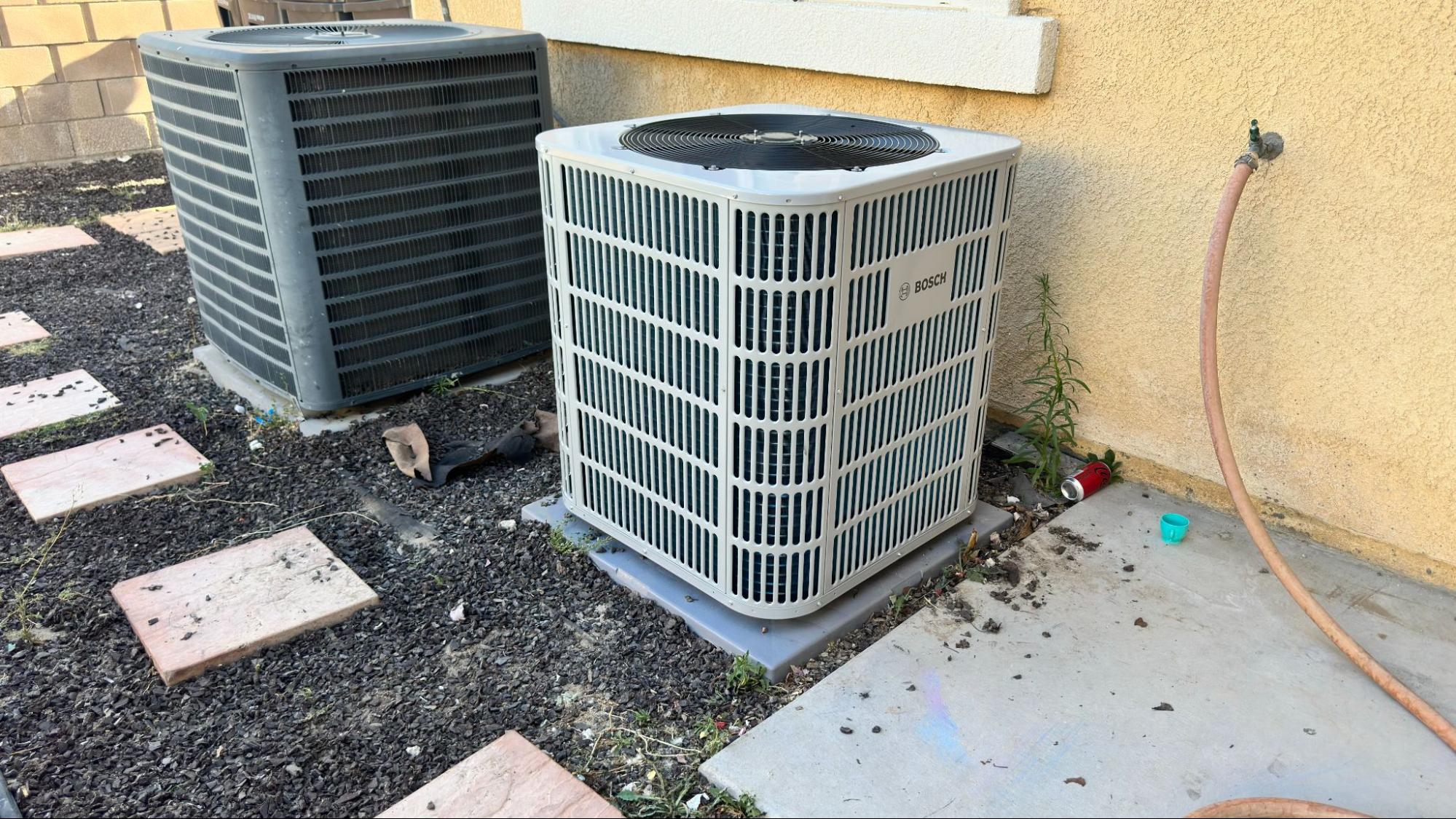
A cooling system performs one part of the comfort equation, while insulation, air sealing, windows, ducts, and the rest of the house determine how demanding that job becomes. When excessive heat transfer contributes to long runtimes or uncomfortable rooms, looking beyond the air conditioner can reveal useful opportunities for improvement.
Origin Heating & Air can evaluate your cooling equipment when you are concerned about excessive runtime, inconsistent comfort, or unusually high cooling demand in your Tehachapi home. We can determine how the HVAC system is operating and help distinguish equipment concerns from conditions elsewhere in the house.
Contact Origin Heating & Air today to schedule an HVAC evaluation and get a clearer picture of what is causing your cooling system to work harder.
Frequently Asked Questions
Can old insulation contain materials that require special handling?
Yes. Some older homes may contain insulation materials that should be identified before removal or disturbance, particularly when the material’s age and composition are unknown. An insulation contractor can determine what is present and recommend an appropriate handling method before renovation begins.
Can recessed lights affect an attic insulation project?
Yes. Certain recessed light fixtures require clearance from insulation unless they carry a rating that allows direct contact with insulation. Identifying the fixture type before adding insulation helps prevent covering equipment that requires open space around its housing.
Does attic storage reduce insulation effectiveness?
It can if storage compresses insulation or requires removing material to create a walking surface. If an attic needs usable storage, the platform should be designed so that the required insulation depth can remain beneath it rather than be flattened by flooring or stored items.
From Heat Gain to Water Leaks: Know the Next AC Warning Sign
Next, read “Why Water Around Your Cooling System May Call for AC Repair in Palmdale“ to learn where that water can come from, what different leak locations may indicate, and when the cooling system itself needs attention.