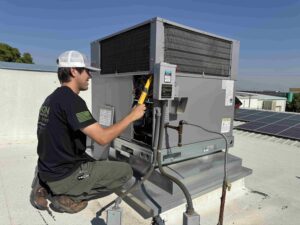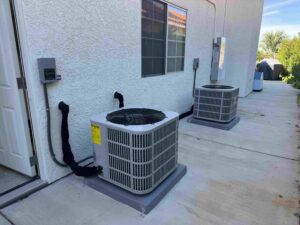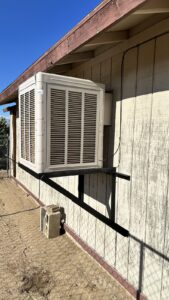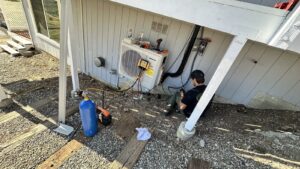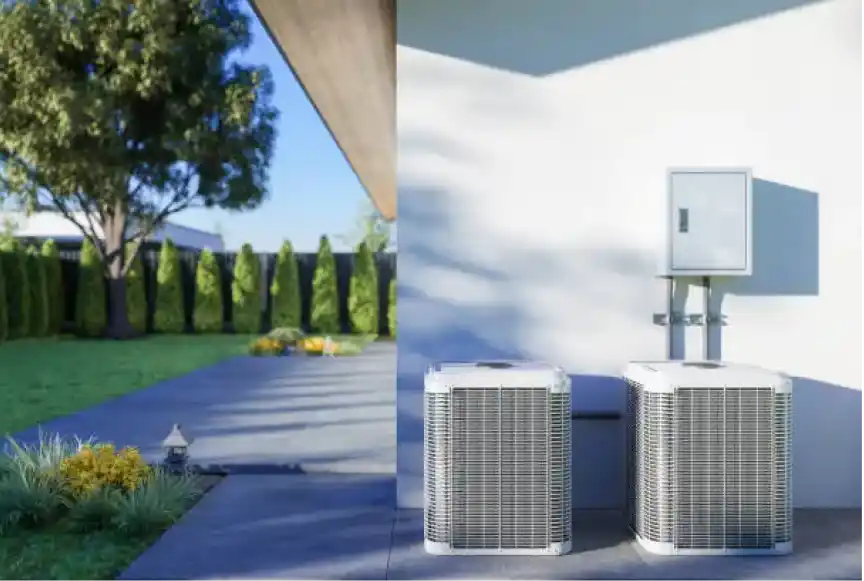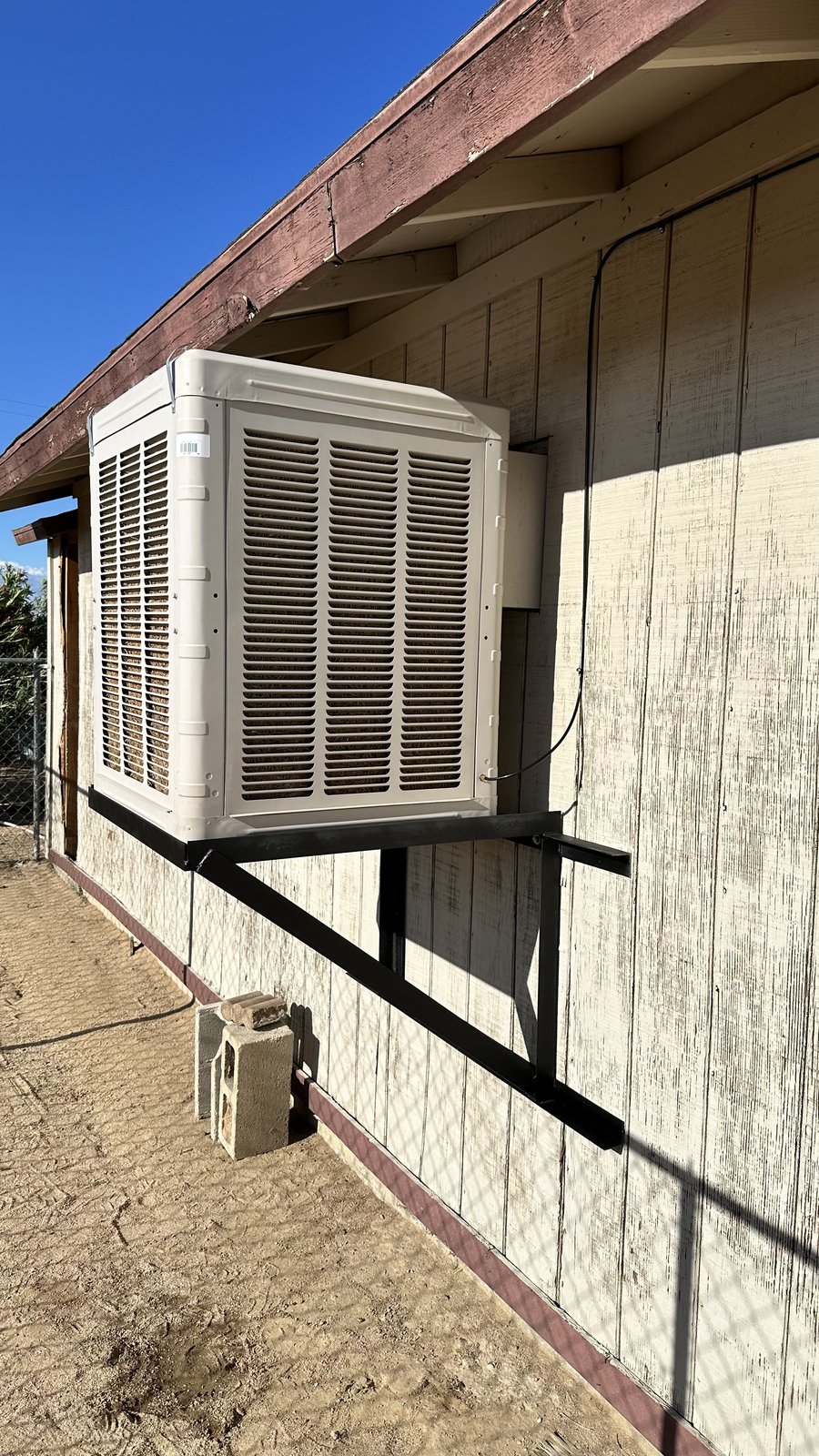
Buying a new air conditioner involves more than comparing cooling capacity and efficiency ratings. Before an AC installation in Lancaster, the home’s electrical system must also support the specific equipment being installed. Origin Heating & Air includes this in installation planning because the condenser, indoor equipment, controls, and accessories all depend on a suitable electrical supply.
That becomes particularly important when replacing equipment in an older Lancaster home or switching to a system with different electrical specifications. The existing circuit may work with the old AC yet still require changes for the new one, so checking the electrical requirements before installation can prevent surprises once the equipment arrives.
Why Electrical Capacity Matters for an AC Installation in Lancaster
Central air conditioners place a substantial electrical load on a home. The outdoor condenser typically operates on a dedicated circuit, while indoor HVAC equipment may use a separate electrical supply depending on the system configuration.
Electrical capacity refers to more than the total amperage printed on the main panel. The installer also needs to consider available voltage, existing household loads, branch-circuit conductors, circuit protection, disconnects, and the new equipment’s electrical specifications.
That is why an existing AC circuit shouldn’t automatically be considered suitable just because another air conditioner used it. New equipment may have different requirements even when its cooling capacity appears similar.
Start With the New AC Equipment Specifications
An air conditioner’s electrical requirements come from the equipment itself. Manufacturers provide electrical data that installers use when determining how the unit needs to be supplied and protected.
Two values commonly found on outdoor equipment data plates are minimum circuit ampacity and maximum overcurrent protection. They serve different purposes, so choosing a breaker based on one number alone can lead to the wrong conclusion.
Equipment specifications also identify the required voltage and phase. Residential central air conditioners commonly use 240-volt power for the outdoor equipment, but installers still need to follow the exact model specifications rather than relying on what is typical.
Understanding the Electrical Requirements for a New AC
The electrical requirements for a new AC need to match the circuit serving it. That relationship includes the equipment, conductors, breaker or fuse protection, disconnect, and connections between them.
Minimum Circuit Ampacity
Minimum circuit ampacity helps determine the conductor capacity needed for the equipment. It accounts for the unit’s electrical loads and is important when evaluating whether existing wiring is suitable.
An older circuit may use conductors selected for the previous air conditioner. If the new equipment requires a different minimum circuit ampacity, you must evaluate the existing wiring against that requirement.
Maximum Overcurrent Protection
Maximum overcurrent protection establishes the upper limit for the fuse or breaker protecting the equipment circuit. This number matters because motors behave differently from simple household loads and can draw higher current during startup.
Therefore, don’t choose the correct breaker by guessing based on AC size or by matching whatever breaker already occupies the panel. The equipment specifications and applicable electrical requirements guide that decision.
Required Voltage
An air conditioner also needs voltage within its specified operating range. Incorrect or unstable voltage can affect motors, compressors, controls, and overall operation.
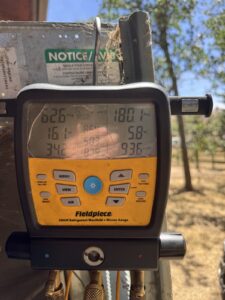
Voltage measurements during installation help confirm what the equipment is actually receiving. Seeing the expected breaker arrangement in the panel does not replace measuring conditions at the equipment.
HVAC Electrical Panel Requirements Go Beyond Panel Size
A homeowner may see a 200 amp label on the electrical panel and assume there is plenty of room for any new air conditioner. However, HVAC electrical panel requirements involve more than the main service rating.
The panel must have an appropriate way to supply the new circuit, and the home’s existing electrical loads also matter. Other large loads may include electric water heating, cooking equipment, clothes dryers, pool equipment, electric vehicle charging, or other major appliances.
When necessary, an electrical load calculation can determine whether the service has capacity for the proposed equipment. This is especially relevant when an HVAC project changes the home’s electrical demand rather than simply replacing equipment with similar requirements.
AC Breaker Requirements Are Specific to the Equipment
The breaker protecting an air conditioner responds to electrical conditions outside the intended operating range. However, compressor motors can briefly draw considerable current at startup, so HVAC circuit protection differs from choosing a breaker for a simple resistive load.
Determine AC breaker requirements from the equipment specifications and the circuit serving it. An installer may need to evaluate:
- The maximum overcurrent protection listed for the new equipment
- The minimum circuit ampacity shown on the data plate
- Existing conductor size and condition
- Breaker condition and compatibility with the panel
- Voltage supplied to the equipment
- Requirements for the disconnect near the outdoor unit
Never increase a breaker simply because the existing one trips with new equipment. Doing so without confirming the circuit requirements can leave conductors or components inadequately protected.
Older Lancaster Homes May Need a Closer Electrical Review
Older homes present an interesting installation question because the electrical system may have been modified several times. An AC circuit could date from a previous system, while the panel itself may have been added to or altered over decades.
Before an AC installation in Lancaster, CA, compare the existing setup with the selected equipment’s requirements. That does not mean every older home needs a new panel. It means age should prompt inspection, not assumption.
Panel condition matters too. Corrosion, heat damage, damaged breaker spaces, questionable previous modifications, or deteriorated connections may affect whether existing equipment can remain in service.
The Outdoor Disconnect Is Part of the Electrical System Too
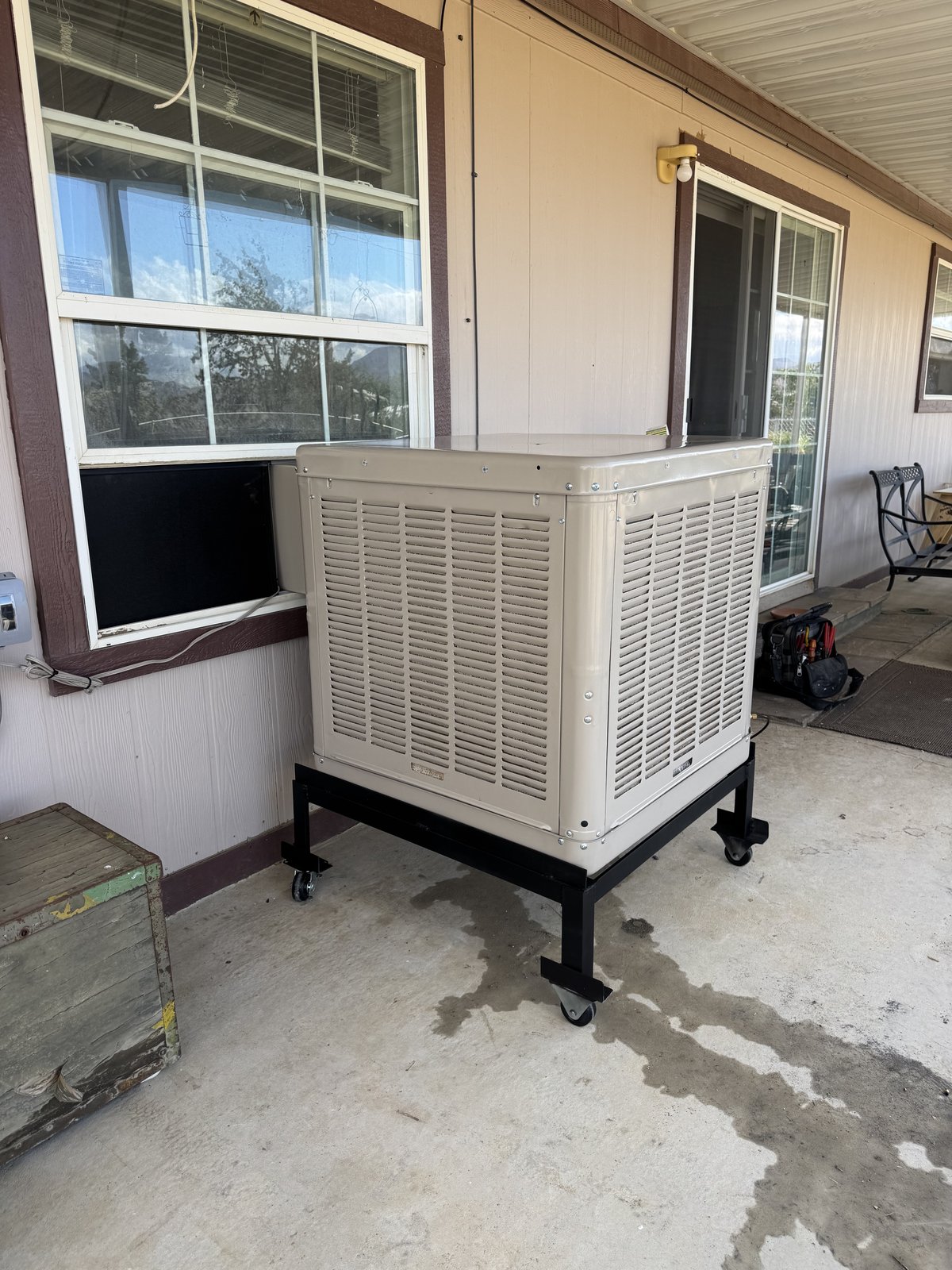
Near the outdoor condenser, you will typically find a disconnect that allows you to shut off electrical power to the equipment for servicing. It is easy to overlook this component because it sits outside the main electrical panel, but it remains part of the installation.
The disconnect needs to suit the circuit and equipment. Its enclosure also faces years of outdoor exposure, so its physical condition matters when considering reuse.
An old disconnect does not automatically require replacement. However, damaged enclosures, overheated connections, corrosion, or incompatible ratings provide specific reasons to change it.
Existing Wiring Should Be Evaluated Before Reuse
Reusing existing conductors may be possible when they meet the new equipment’s requirements and remain in acceptable condition. The decision should come from inspection and electrical specifications, not convenience.
Several characteristics deserve attention:
- Conductor capacity compared with the equipment data
- Visible insulation damage or deterioration
- Signs of overheated connections
- Condition of terminals and splices
- Routing and protection of the circuit
- Compatibility with the proposed equipment
This evaluation is especially useful when replacing equipment installed many years ago. The new condenser may look similar on the outside but require electrical conditions that differ from its predecessor.
Why Bigger Cooling Equipment Can Affect Electrical Planning
Cooling capacity and electrical demand are related, but they are not interchangeable. You cannot determine circuit requirements from the tonnage of an air conditioner alone.
Different compressor technologies, motors, efficiency levels, and equipment designs can produce different electrical specifications. Two systems with the same nominal cooling capacity may therefore have different minimum circuit ampacity or overcurrent protection requirements.
This is another reason electrical planning should follow equipment selection. Choosing circuit components first and assuming they will accommodate whatever AC is selected reverses the process.
High Efficiency Equipment Does Not Eliminate Electrical Checks
It is tempting to assume that a more efficient air conditioner automatically requires less electrical capacity. Higher efficiency can reduce energy consumption under certain operating conditions, but the equipment still has specific circuit and startup requirements.
Modern systems may also include variable-speed motors, inverter-driven compressors, communicating controls, or other electronics. These technologies change how equipment operates, but they do not remove the need for compatible voltage, circuit protection, conductors, and grounding.
The electrical data for the selected model remains the relevant guide. Efficiency ratings tell you something different from the electrical specifications needed for installation.
Panel Capacity Can Influence Installation Planning
Finding an electrical limitation before installation gives you options. Discovering it after the old air conditioner has already been removed creates a much less convenient situation.
Depending on the home and equipment, planning may involve using an existing compliant circuit, modifying the branch circuit, changing the disconnect, or completing other electrical work. Larger changes may require coordination with a qualified electrical contractor.
The key point is that an electrical upgrade should match an identified need. A new air conditioner does not automatically mean a homeowner needs an expensive service panel replacement.
What Should Be Checked Before Air Conditioning Installation in Lancaster, CA?
Electrical preparation works best before installation day. For an air conditioning installation in Lancaster, CA, the selected equipment provides the starting point because its specifications determine what the electrical system must deliver.
You can then compare the existing panel, circuit, conductors, breaker, disconnect, voltage, and connections with those requirements. You can plan for any mismatch rather than discover it halfway through the project.
This approach also keeps electrical decisions connected to the actual equipment. Instead of making broad assumptions based on the home’s age or panel rating, the installation plan responds to measurable conditions and published equipment specifications.
Prepare Your Home Before the New AC Arrives
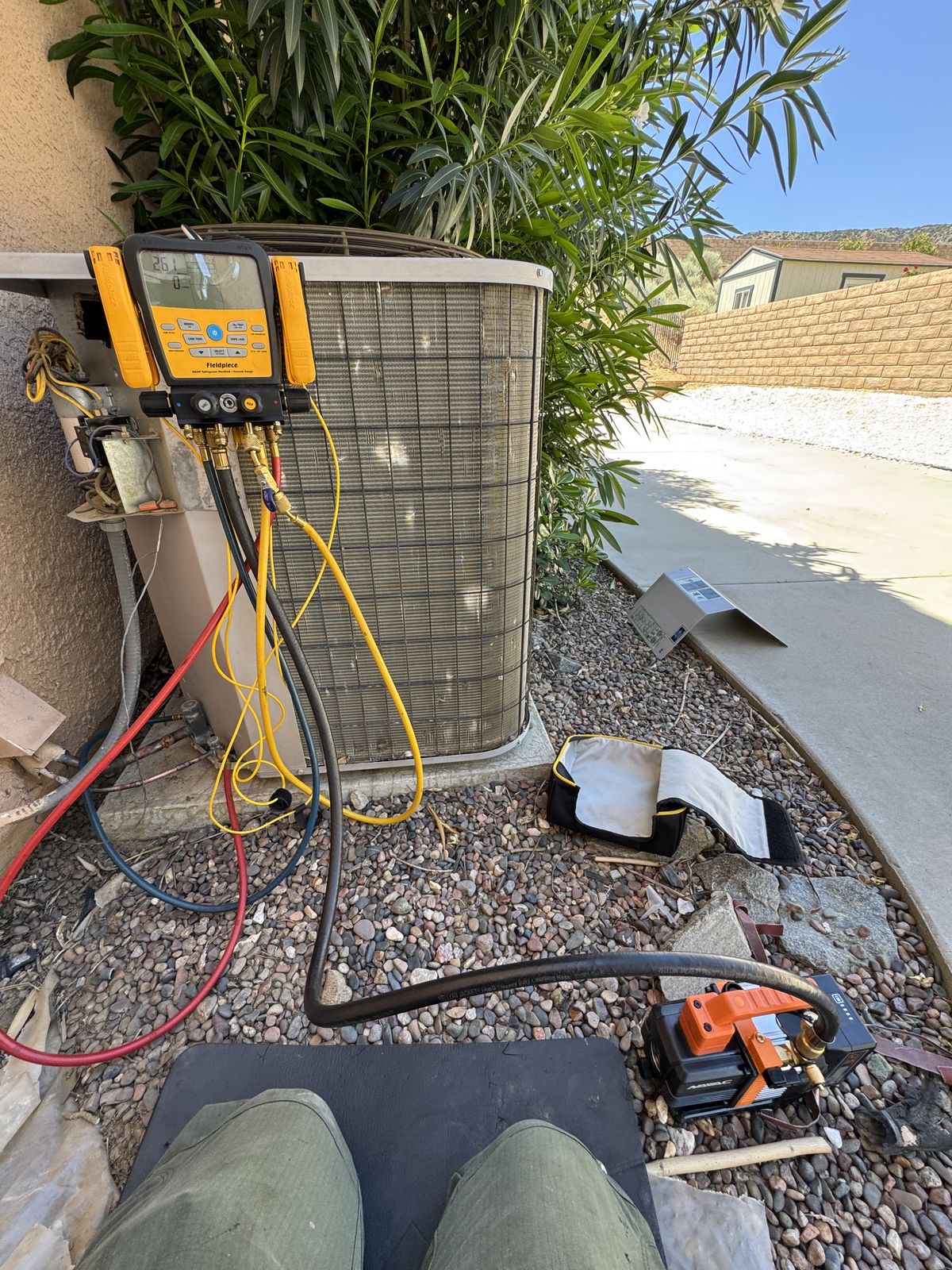
Select a new cooling system with the home’s electrical system in mind, not after installation. Checking circuit capacity, equipment specifications, breaker protection, conductors, voltage, and the outdoor disconnect before installation can reveal what you can reuse and what needs attention.
Origin Heating & Air helps Lancaster homeowners evaluate the HVAC requirements involved in replacing or installing cooling equipment. We can review the needs of the selected system, explain how the existing setup relates to those requirements, and identify HVAC-related preparation that should happen before installation.
Contact us today to discuss your AC installation with one of our HVAC contractors.
Frequently Asked Questions
Can solar panels change how a new air conditioner should be planned?
Solar panels can affect a home’s overall energy picture, but they don’t change the AC’s electrical circuit requirements. Homes with solar, batteries, or other energy equipment may need additional coordination so the cooling system works as intended with the home’s electrical configuration.
Does a heat pump have the same electrical requirements as a standard AC?
Not necessarily. Heat pumps provide heating and cooling, and some systems also use electric auxiliary heat that creates additional electrical demand. The specific equipment configuration determines the required circuits and capacity, not the fact that both systems provide summer cooling.
Can a new AC be connected to an extension cord temporarily?
No. Central air conditioning equipment requires the electrical supply and circuit protection specified for the installed system. Household extension cords are not a substitute for the permanent branch circuit, disconnect, conductors, and connections the equipment requires.
Next Up: Turning the New AC On Is Only the Beginning
Continue with “What Startup Testing Should Happen After an AC Installation in Lancaster?” to learn what installers can check after startup, including airflow, refrigerant conditions, electrical measurements, drainage, thermostat operation, and overall cooling performance.