Your thermostat calls for cooling, you hear part of the system running, but something looks wrong outside. The fan on top of the condenser is completely still. When this happens, AC repair in Lancaster may be necessary because the outdoor fan plays a direct role in removing heat from your home. At Origin Heating & Air, we look beyond the motionless fan itself because the motor, capacitor, electrical controls, power supply, and other components can all influence whether the fan starts.
A stopped fan does not automatically tell you which part failed. However, running the air conditioner while the condenser cannot move air can create additional problems, especially on a hot Lancaster afternoon. Understanding what that fan actually does makes it easier to see why a seemingly simple symptom deserves attention.
What the Outdoor AC Fan Actually Does
Your air conditioner doesn’t create cold air the way a furnace creates heat. Instead, refrigerant absorbs heat at the indoor evaporator coil and carries that heat to the outdoor unit. The condenser coil then releases it into the outdoor air.
The condenser fan makes that heat transfer possible by pulling or pushing outdoor air across the condenser coil, depending on the equipment design. As air moves across the coil, refrigerant can release the heat collected inside the house.
If the fan stops while the compressor continues operating, heat cannot leave the condenser as effectively. Refrigerant pressures and temperatures can rise, and the compressor may eventually shut down through a protective device or experience additional stress.
An AC Fan Not Spinning Can Have Several Causes
Seeing an AC fan not spinning narrows the problem to one key symptom, but it doesn’t provide a complete diagnosis. Several components help start and run the condenser fan.
Common possibilities include:
- A failed or weakened capacitor
- A condenser fan motor problem
- A damaged contactor or electrical connection
- Loss of power to part of the outdoor unit
- Debris physically preventing the fan blade from moving
- A control or wiring problem
The rest of the system’s behavior provides additional clues. For example, a silent outdoor unit presents a different diagnostic situation from one where the compressor appears to run while the fan remains stationary.
A Weak Capacitor Can Keep the Condenser Fan From Starting
Many conventional condenser fan motors rely on a capacitor to start and run. The capacitor stores an electrical charge and provides the electrical characteristics the motor needs to operate.
As a capacitor deteriorates, its measured capacitance can fall outside its rated tolerance. When failure becomes severe, the component may swell or leak, but visual appearance alone cannot confirm whether it is still within specification.
A weak capacitor can deliver power to the motor but still struggle to start it. Because some outdoor units use a dual-run capacitor that serves both the compressor and condenser fan motor, capacitor problems can also affect more than one component.
Testing capacitance and comparing the measurement with the component’s rating provides more useful information than simply replacing the capacitor because the fan stopped.
Condenser Fan Problems Can Start With the Motor Itself
The fan motor spends long periods operating outdoors while exposed to heat and repeated cooling cycles. Bearings, windings, and other internal components can deteriorate over time.
An AC condenser fan problem may develop gradually rather than producing an immediate failure. A homeowner might notice a new sound, slower starting, intermittent operation, or a fan that stops after running for a while.
Motor Bearings Can Wear
Bearings allow the motor shaft to rotate with limited friction. As they deteriorate, the motor may become noisy, harder to turn, or increasingly resistant to rotation.
That additional resistance can increase the work required from the motor. Eventually, the fan may struggle to start or stop.
Electrical Windings Can Develop Problems
Inside the motor, electrical windings create the magnetic forces that produce rotation. Heat, age, and electrical stress can damage those windings and change how the motor operates.
Electrical measurements can help determine whether the motor is drawing abnormal current or has experienced an internal failure.
Thermal Protection Can Stop an Overheated Motor
Some fan motors contain internal thermal protection that interrupts operation when temperatures become excessive. If the motor cools and starts operating again later, that temporary recovery does not necessarily mean the underlying condition has resolved.
A motor that repeatedly stops when hot deserves investigation into why its temperature is climbing rather than simply waiting for it to restart.
The Contactor Can Affect Whether the Outdoor Fan Receives Power
When the thermostat calls for cooling, low-voltage controls energize the contactor inside the outdoor unit. The contactor then closes electrical contacts that allow line voltage to reach the outdoor components.
Those contacts experience wear each time the system cycles. Pitting, burning, damaged terminals, or other electrical problems can interfere with power delivery.
This creates an important diagnostic distinction. A fan motor that cannot operate differs from a healthy motor that never receives the electrical supply it needs to run. Testing the circuit helps separate those possibilities.
Outside AC Unit Fan Problems Can Start With the Power Supply
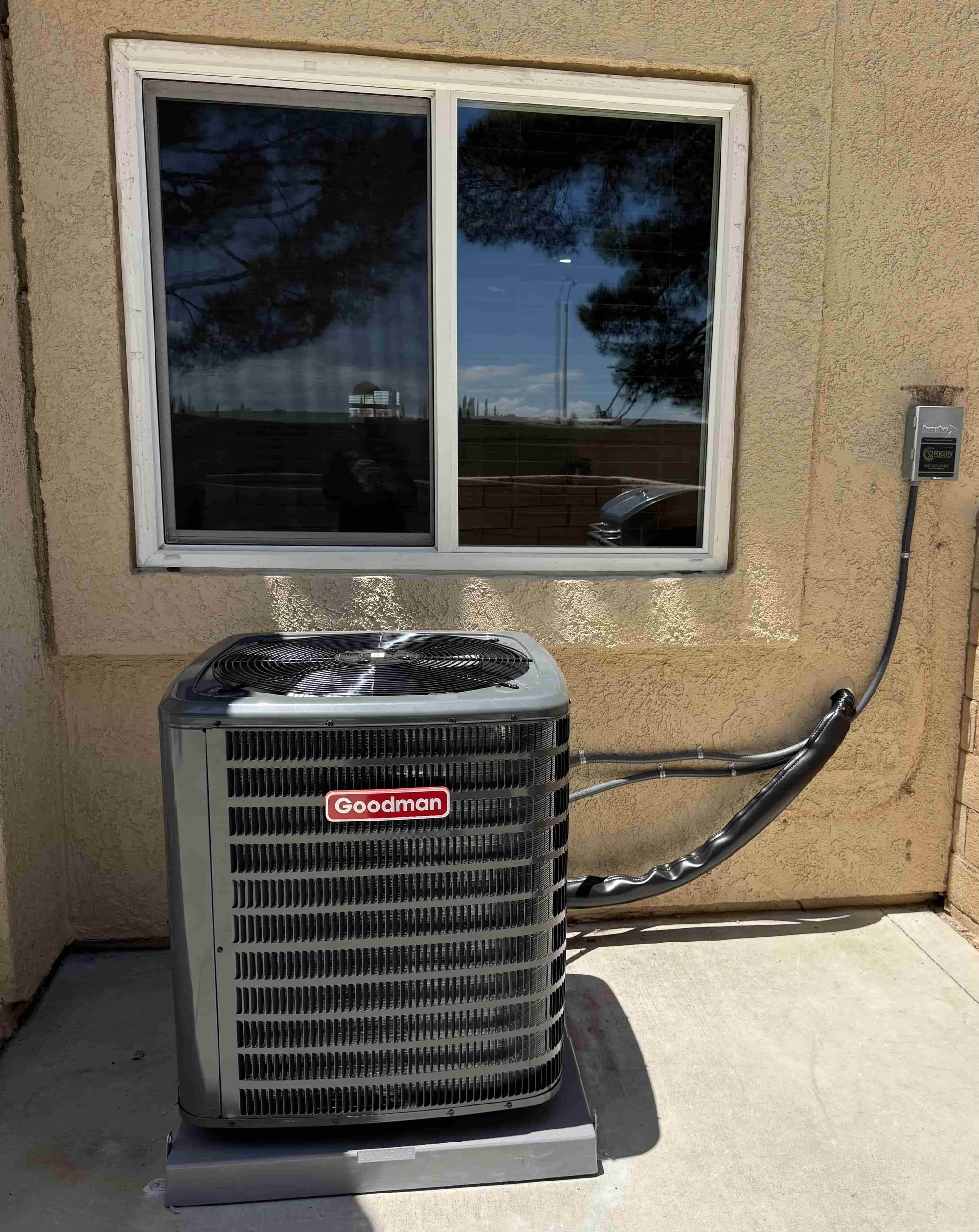
If the outside AC unit fan isn’t working, checking the electrical supply is part of determining why. A tripped breaker, open disconnect, damaged connection, or another interruption can stop outdoor equipment from operating.
However, repeatedly resetting a breaker is not a diagnostic method. Breakers can trip in response to electrical conditions that need investigation, and resetting one repeatedly can hide the symptom without correcting the cause.
Technicians may check several points when tracing an electrical interruption:
- Whether the outdoor unit is receiving the expected voltage
- Whether the breaker and disconnect are in operating condition
- Whether the contactor is receiving and passing power
- Whether terminals or conductors show heat damage
- Whether the fan motor receives voltage when cooling is requested
- Whether controls are allowing the outdoor equipment to operate
Following the electrical path helps identify where operation stops rather than assuming the component at the end of that path must be defective.
Physical Obstructions Can Stop a Condenser Fan
Not every stopped fan begins with an electrical failure. Outdoor units sit where leaves, small branches, and other debris can reach them, particularly around landscaping or after windy conditions.
An object can interfere with the fan blade or become lodged inside the cabinet. Bent components or physical damage can also prevent normal rotation.
However, reaching inside an outdoor unit to remove an obstruction while the system has power is unsafe. The fan can start unexpectedly if the cooling call remains active or electrical conditions change. Keep power off while you address a physically blocked fan.
What Happens if the Compressor Runs Without the Outdoor Fan?
The compressor and condenser fan perform different jobs, but they work together during cooling. The compressor moves refrigerant through the system, while airflow across the outdoor coil helps the refrigerant reject heat.
Without that airflow, condenser temperature and pressure can rise. The system may eventually shut down through protective controls, but relying on those protections as a normal operating strategy is not a good idea.
This is why a homeowner may hear humming or compressor operation even though the fan is motionless. The presence of sound from the condenser does not mean the outdoor unit is operating normally.
Should You Keep Running the AC With a Stopped Condenser Fan?
If the outdoor fan clearly isn’t rotating while the air conditioner is trying to cool, shutting off the cooling system is a sensible response. Continuing to demand cooling will not restore the airflow needed across the condenser coil.
Avoid pushing the blade with a stick, opening electrical compartments, or repeatedly cycling power to try to start the fan. Outdoor HVAC equipment contains high-voltage components, and capacitors can retain an electrical charge even after you disconnect power.
Instead, note what you observed before turning the system off. Whether the outdoor unit was humming, completely silent, starting intermittently, or producing an unusual odor can provide useful diagnostic information.
How Air Conditioner Fan Repair in Lancaster, CA, Is Diagnosed
For air conditioner fan repair in Lancaster, CA, diagnosis should determine why the fan stopped before deciding what to replace. The visible symptom may originate in the motor, but it can also begin elsewhere in the electrical or control circuit.
A technician can observe the cooling call and trace operation through the relevant components. That may include testing voltage, capacitor condition, motor electrical characteristics, contactor operation, wiring, and the physical movement of the fan assembly.
The goal is to separate cause from consequence. For example, a failed capacitor may prevent an otherwise usable motor from starting, while a failing motor may place abnormal demands on electrical components. Those situations call for different repairs even though the homeowner sees the same stationary fan.
Lancaster Heat Can Make Condenser Airflow Especially Noticeable
An outdoor condenser already has to reject heat into the surrounding air. As outdoor temperature rises, the conditions for releasing that heat become more demanding.
That makes condenser airflow particularly important during Lancaster’s hotter weather. A fan problem that interrupts airflow can quickly change operating conditions inside the outdoor unit while the house is simultaneously placing a substantial cooling demand on the system.
Still, outdoor temperature does not diagnose the failure. Hot weather may expose a marginal component because the system runs longer and operates under demanding conditions, but testing is needed to determine what actually stopped the fan.
Get the Outdoor Unit Checked Before Pushing It Through Another Cooling Cycle
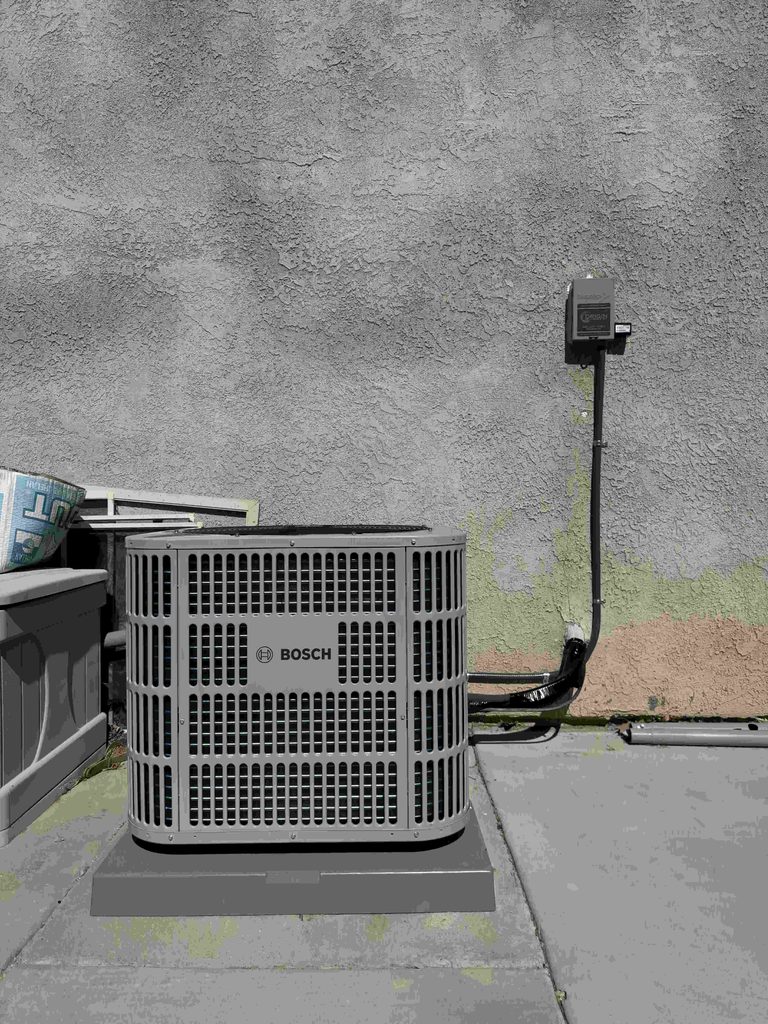
A stationary condenser fan deserves attention because the outdoor coil depends on moving air to release heat. The underlying problem might involve the capacitor, motor, contactor, wiring, power supply, or a physical obstruction, and identifying that cause matters more than simply getting the blade moving again.
Origin Heating & Air provides AC diagnostics and repair for Lancaster homes experiencing outdoor unit problems. We can test the components involved, explain what stopped the fan, and determine whether the issue is isolated to the fan circuit or affects another part of the condenser.
Contact us today to work with one of our HVAC contractors when your outdoor AC fan stops running instead of repeatedly restarting.
Frequently Asked Questions
Can an outdoor AC fan spin in the wrong direction?
Yes, although this is not normal. Incorrect wiring, an incompatible replacement motor, or installation issues can contribute to incorrect rotation on applicable equipment. A fan turning in the wrong direction may still move some air, but airflow through the condenser may not match the equipment design.
Does replacing a condenser fan motor require replacing the fan blade too?
Not automatically. You may be able to reuse the existing blade if its size, pitch, condition, rotation, mounting, and compatibility match the replacement motor and equipment. A damaged or incompatible blade may need replacement because the motor and blade work together to produce the intended airflow.
Can landscaping affect the operation of an outdoor AC fan?
Yes. Vegetation growing too close to the condenser can restrict airflow even when the fan itself works. Loose leaves and debris can also collect around the coil or enter the cabinet. Maintaining appropriate clearance around the outdoor unit gives discharged air room to move away from the condenser.
When the Problem Is Ice Instead of a Motionless Fan
Continue with “Why AC Repair in Lancaster May Be Needed When Ice Forms on Your Air Conditioner” to learn how airflow, evaporator temperature, blower operation, and refrigerant conditions can contribute to a frozen AC system.