Your air conditioner starts, the house begins cooling, and then everything suddenly goes quiet. You check the electrical panel and find the AC breaker tripped. When AC repair in Palmdale involves a breaker that will not stay on, the breaker itself is often responding to an electrical condition somewhere in the circuit rather than randomly interrupting your comfort. At Origin Heating & Air, we treat repeated trips as a symptom worth investigating, not something to solve by repeatedly flipping the switch.
Circuit breakers protect electrical circuits when current exceeds safe operating limits or when certain faults occur. One trip can have several explanations, but a breaker that trips repeatedly while the AC is operating deserves attention, as compressors, motors, wiring, and other components can all affect electrical demand.
What an AC Circuit Breaker Actually Does
Your air conditioner needs electricity to operate its compressor, condenser fan, indoor blower, and controls. The electrical circuit serving that equipment has limits, and the circuit breaker helps prevent current from remaining above what the wiring and circuit are designed to handle.
When current exceeds acceptable levels, the breaker opens the circuit and stops the flow of electricity. In other words, a trip is a protective response rather than a diagnosis.
That distinction is important. Resetting the breaker restores power, but it does not change the underlying electrical or mechanical condition that caused the excessive current.
One Breaker Trip and Repeated Trips Are Different Situations
A single tripped breaker does not automatically mean your air conditioner has suffered a major failure. Electrical events can occasionally trip a breaker without creating a repeating pattern.
The situation changes when the breaker trips again after you reset it. If your AC keeps tripping the breaker, repeated resets give the system another chance to encounter the same abnormal condition.
Instead of continuing the cycle, note when the breaker trips. Whether it happens immediately at startup, several minutes into a cooling cycle, or only during extremely hot afternoons can provide useful clues during diagnosis.
AC Compressor Problems Can Increase Electrical Demand
The compressor is one of the largest electrical loads in a central air conditioning system. It circulates refrigerant through the system and must overcome pressure differences each time it starts.
Certain AC compressor problems can increase the amount of current the component draws. Mechanical wear, internal electrical faults, or difficulty starting can all affect compressor operation.
A compressor shouldn’t be condemned simply because a breaker trips. Technicians can measure electrical values and evaluate other components before determining whether the compressor is actually responsible.
A Weak Capacitor Can Create Startup Trouble
Many residential air conditioners use capacitors to help motors start and run. When a capacitor deteriorates, the connected motor may struggle to start as designed.
You might hear the outdoor unit hum without the fan or compressor starting normally. In other cases, the equipment may attempt to start several times before the breaker trips.
Capacitors can retain an electrical charge even after you disconnect power. Because of that stored energy, opening the cabinet and handling these components is not a good troubleshooting project for an untrained homeowner.
Fan Motor Problems Can Also Trip the Circuit
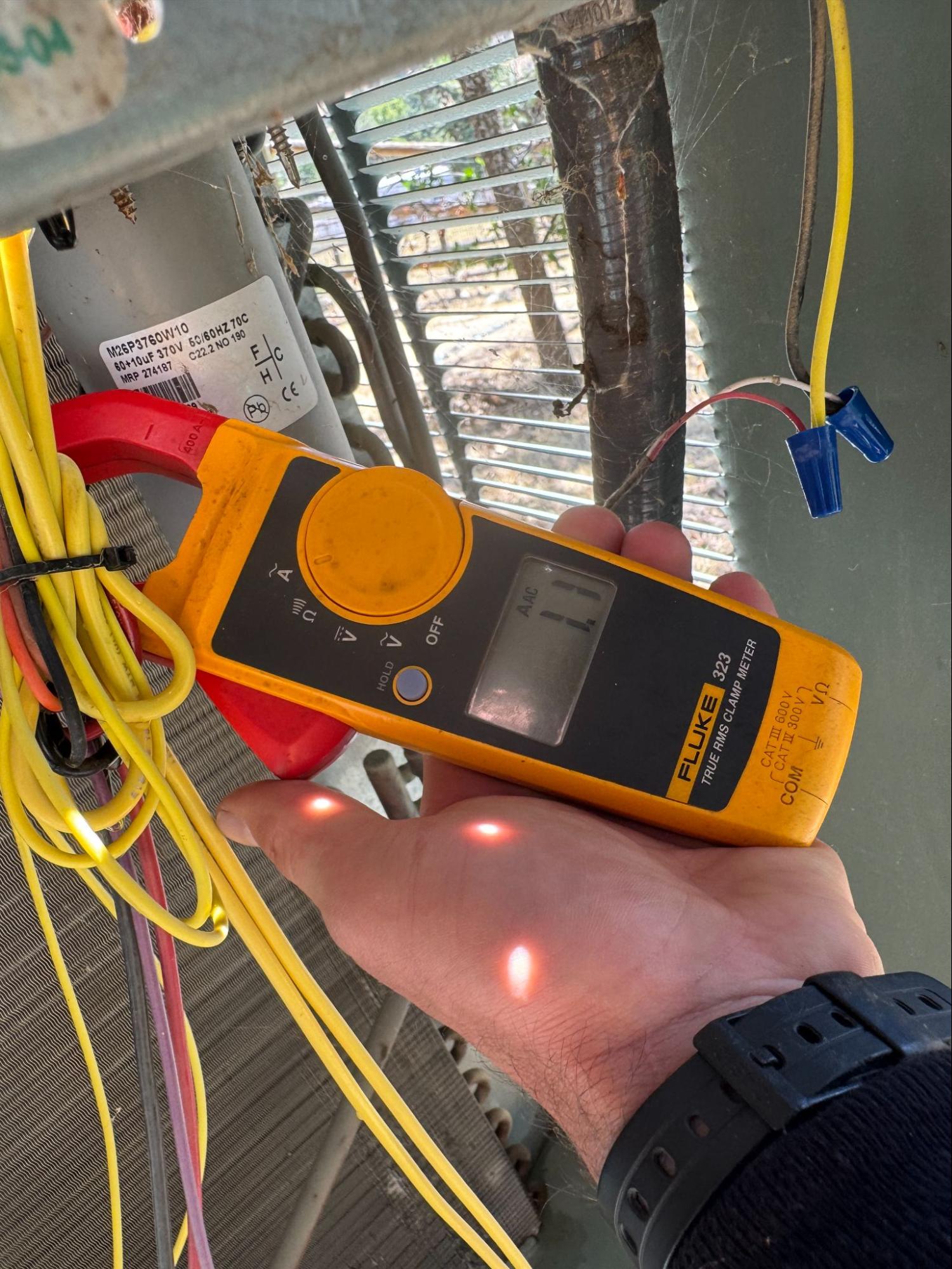
The compressor gets plenty of attention, but the condenser fan motor is another electrical component that can develop trouble. Bearings can wear out, windings can fail, and debris can interfere with fan operation.
A motor that cannot rotate freely may draw abnormal current. Meanwhile, a condenser fan that stops moving air across the outdoor coil can let system temperatures and pressures rise.
That means the original symptom at the breaker panel may involve more than one operating condition. Electrical measurements and an equipment inspection help narrow down which component is causing the problem.
Dirty Condenser Coils Can Contribute to a Harder Workload
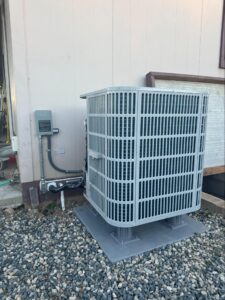
Electrical faults are not the only conditions worth checking. The outdoor condenser needs to release heat collected from inside the home, and accumulated dirt can interfere with that heat transfer.
When the condenser struggles to reject heat, the cooling system may operate under more demanding conditions. That doesn’t mean every dirty coil will trip a breaker, but excessive contamination can worsen conditions in a system already operating near its limits.
Cleaning the coil is therefore not an automatic cure for AC circuit breaker trips. Technicians may evaluate it alongside current draw, refrigerant conditions, motors, and electrical components.
Damaged Wiring Can Create Air Conditioner Electrical Problems
HVAC equipment contains wiring connections that are subject to heat, vibration, and repeated operating cycles. Over time, terminals can loosen, insulation can deteriorate, and connections can become damaged.
These air conditioner electrical problems may produce intermittent symptoms rather than a complete failure. A unit might operate normally during one cycle and trip the breaker during another as conditions change.
Visible scorching, melted insulation, or a burning odor deserves immediate attention. These signs indicate an electrical issue that should not be handled by repeatedly restoring power.
A Short Circuit Is Different From Normal High Current
A short circuit occurs when electricity travels along an unintended low-resistance path. This can cause a rapid rise in current, causing the breaker to open quickly.
Damaged wire insulation, failed motor windings, or electrical connections contacting areas they should not can create fault conditions. When the breaker trips almost immediately after the AC receives power, an electrical fault becomes one of several possibilities to investigate.
Finding a short requires more than looking for an obvious loose wire. Testing helps identify which circuit or component is creating the unintended electrical path.
The Breaker Itself Can Sometimes Be the Problem
It is easy to assume that every breaker trip means the air conditioner has failed. However, circuit breakers are mechanical electrical devices that can deteriorate with age or repeated operation.
A weakened breaker may trip under conditions it previously handled without trouble. Loose connections at the breaker or panel can also create heat and abnormal operation.
Still, replacing the breaker with one rated for a higher amperage is not an acceptable shortcut. Circuit protection must match the equipment’s and wiring’s electrical requirements, so identify the cause before changing components.
Why You Should Never Install a Larger Breaker as a Quick Fix
If a 30-amp breaker keeps tripping, installing a 40-amp breaker might sound like an easy solution. In reality, the breaker rating is part of a coordinated electrical system designed around conductor capacity and equipment requirements.
Increasing the breaker size without confirming those requirements can allow wiring or equipment to carry more current than intended. The breaker may stop tripping while the original electrical condition remains.
The equipment data plate provides electrical specifications used when selecting circuit protection and conductors. Changes to that protection should be based on those requirements rather than an attempt to prevent nuisance trips.
Extreme Palmdale Heat Can Expose a Developing Problem
Hot weather does not automatically make a healthy air conditioner trip its breaker. However, high cooling demand can expose weaknesses that remain hidden during milder conditions.
During a Palmdale heat wave, the system may run longer with shorter breaks between cycles. Components that are already deteriorating run longer, while the outdoor unit must reject heat into hotter surrounding air.
That is why a breaker problem may first become noticeable during the hottest part of summer. The heat may not have caused the fault, but heavier operation can make an existing weakness harder to ignore.
Pay Attention to Exactly When the Breaker Trips
The trip timing provides useful diagnostic information. Palmdale homeowners do not need to open equipment cabinets or perform electrical testing to make a few basic observations.
Consider whether the breaker trips:
- As soon as cooling is requested
- When the outdoor unit attempts to start
- Several minutes into operation
- Only during long afternoon cycles
- After unusual noises from the equipment
Those details can help narrow the investigation. They are far more useful than repeatedly resetting the breaker until the system eventually stays on.
What HVAC Electrical Repair May Involve
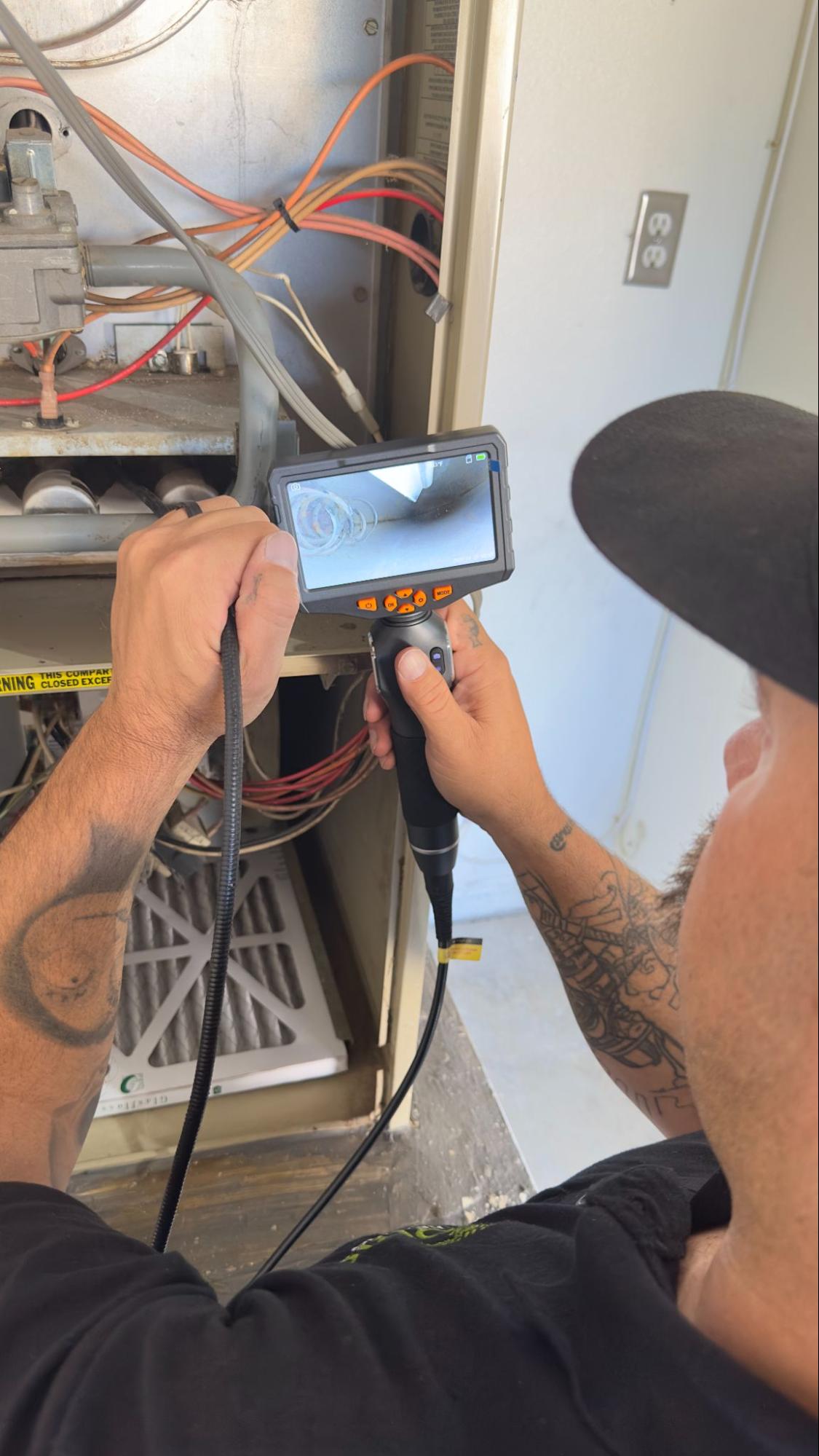
An HVAC electrical repair begins with identifying where abnormal electrical behavior originates. That may involve measuring voltage and current, checking capacitors, evaluating motors, inspecting connections, and comparing equipment operation with its electrical specifications.
The diagnosis should also consider mechanical conditions that influence electrical demand. A struggling motor, a contaminated condenser, or a compressor issue may show up as an electrical symptom even when the underlying problem isn’t a damaged wire.
Once you identify the cause, you can repair the affected component instead of relying on guesswork. That approach matters because several unrelated faults can cause the same tripped-breaker symptom.
Find Out Why the Breaker Is Tripping
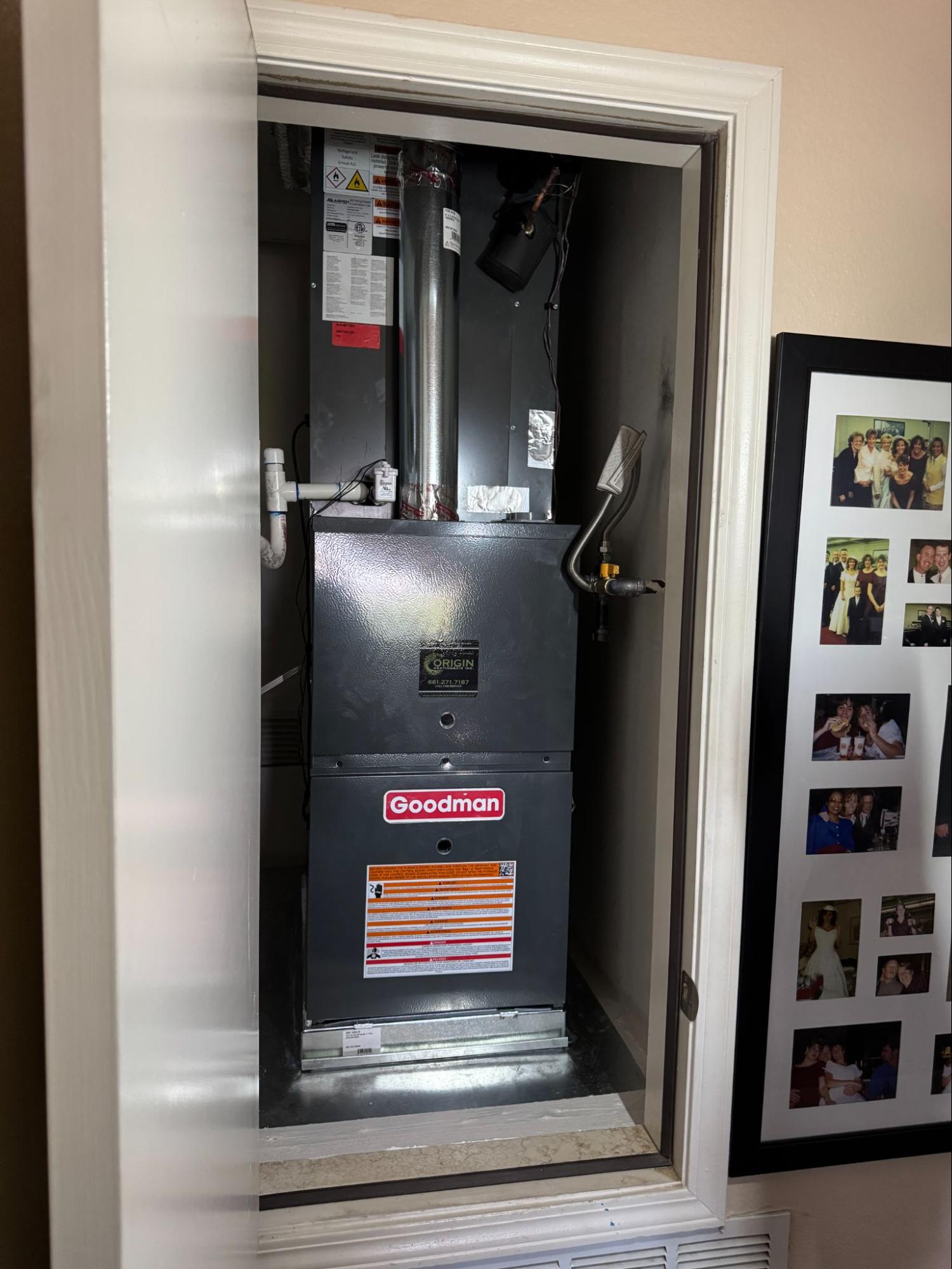
A breaker that repeatedly shuts down your air conditioner does more than interrupt a cooling cycle. Compressor trouble, motor faults, capacitors, damaged wiring, circuit protection issues, and demanding operating conditions can all contribute, so testing is more useful than guessing from the breaker panel.
Origin Heating & Air can evaluate cooling equipment when repeated electrical shutdowns interrupt comfort in your Palmdale home. We can test the AC system, identify the condition behind the breaker trips, and explain which component needs attention.
Contact our HVAC contractors today to schedule an AC evaluation if your cooling system repeatedly trips its circuit breaker.
Frequently Asked Questions
Can a whole home generator affect AC breaker operation?
Yes. A generator must have sufficient starting capacity for the connected air conditioner, not just enough power for the air conditioner’s normal operating load. Consider generator sizing, transfer equipment, and HVAC startup requirements before expecting a central AC system to operate during an outage.
Can surge protection help protect air conditioning equipment?
Surge protection can help limit voltage spikes that may damage sensitive HVAC electronics, although it cannot prevent every electrical failure. Homeowners considering surge protection should select equipment suited to the electrical system and the type of HVAC equipment installed.
Why does my AC have more than one electrical shutoff?
Central cooling systems commonly have circuit protection at the electrical panel along with a disconnect located near the outdoor equipment. The nearby disconnect lets you isolate power to the outdoor unit during service without needing access to the home’s main panel.
Keep Building Your HVAC Know How
Visit the Origin Heating & Air blog for more practical guides on AC repairs, heating issues, system maintenance, equipment installation, energy use, and everyday HVAC questions for homeowners in Palmdale and surrounding communities.