An air conditioner that works perfectly one minute and refuses to restart the next can leave you wondering what changed. When you need AC service in Tehachapi because a cooling system has trouble restarting, the cause may involve the starting components, electrical controls, compressor, or another part of the operating sequence. At Origin Heating & Air, we look at when the failure occurs and what the equipment does immediately before it stops cooperating because those details help narrow down the cause.
Restart trouble is also different from an air conditioner that never operates at all. A system may complete one cooling cycle, shut off normally, and then fail when the thermostat calls for cooling again. Understanding that difference is the first step toward finding the component responsible.
What Actually Happens When Your AC Restarts?
A central air conditioner does not simply receive power and instantly produce cold air. When indoor temperature rises above the thermostat setting, the controls send a cooling request that begins a sequence involving the indoor blower, outdoor fan, compressor, and electrical components.
The compressor faces a particularly demanding moment during startup because an electric motor generally draws considerably more current while starting than after it reaches normal operating speed. Components within the system help manage that process so the compressor and fan motors can begin operating as designed.
If something interrupts that sequence, you may hear a click or hum without the system fully starting. In other cases, nothing obvious happens even though the thermostat shows that cooling has been requested.
Pay Attention to When the Restart Problem Occurs
Timing gives you valuable information. An AC that refuses to restart immediately after shutting down presents a different diagnostic picture from one that fails after sitting unused overnight.
For example, some systems have intentional time delays that prevent the compressor from restarting immediately after shutdown. These delays allow refrigerant pressures to equalize and protect the compressor from rapid cycling, so a brief wait doesn’t automatically indicate trouble.
However, a system that regularly requires a long wait, multiple thermostat adjustments, or repeated attempts before starting deserves a closer look. Those patterns suggest something beyond a normal built-in delay.
A Weak Capacitor Can Make Starting Difficult
Capacitors help certain AC motors start and operate. Over time, a capacitor can lose its ability to provide the electrical characteristics the connected motor needs.
When that happens, the outdoor unit may hum while the fan or compressor struggles to begin operating. Sometimes the system eventually starts, creating an intermittent problem that is easy to dismiss because cooling returns.
That inconsistency is exactly why capacitor problems can be frustrating. A technician can test capacitance against the component’s rated range rather than judging its condition solely by whether the air conditioner started during one visit.
AC Compressor Not Starting Can Have Several Causes
The compressor circulates refrigerant through the cooling system, making it central to the refrigeration process. If your AC compressor won’t start, it doesn’t automatically mean the compressor has failed.
A technician may need to investigate the capacitor, contactor, wiring, voltage, control signals, compressor windings, and operating conditions before identifying the cause. Faults elsewhere in the system can prevent a healthy compressor from getting what it needs to start.
This distinction matters because replacing a compressor is a substantial repair. Electrical testing helps separate a true compressor problem from a smaller component that produces a similar symptom.
The Contactor Acts Like an Electrical Gatekeeper
The contactor is an electrically controlled switch that helps deliver power to the outdoor equipment when cooling is requested. Each operating cycle asks this component to open or close its electrical contacts.
Repeated use can eventually wear or damage those contact surfaces. A contactor may also become pitted, burned, or unable to close reliably, leaving the outdoor unit inactive even when the thermostat requests cooling.
Intermittent contactor trouble can be particularly confusing because the system may start normally on some cycles. Testing the control signal and inspecting the component can show whether power reaches the equipment consistently.
Thermostat Problems Can Mimic Equipment Failure
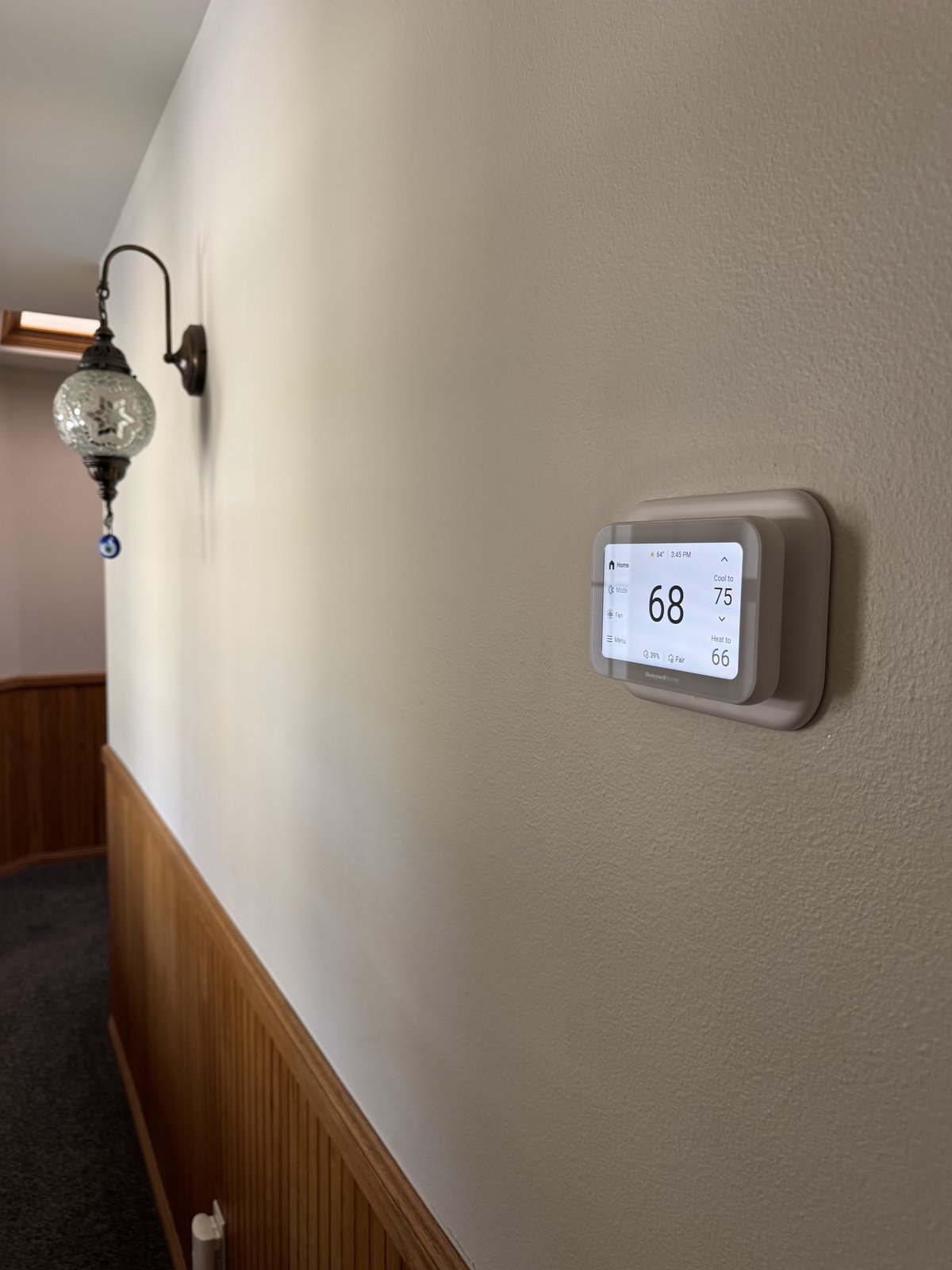
Before assuming the outdoor unit has failed, remember that the cooling request begins at the thermostat. A control problem can interrupt the process before the compressor can start.
Loose wiring, depleted batteries on applicable models, configuration errors, or an internal thermostat fault can interfere with the cooling signal. Smart thermostats add another layer because equipment compatibility and control wiring matter to how the system communicates.
One useful clue is whether the thermostat indicates that it is actively calling for cooling when the equipment remains off. That observation doesn’t diagnose the problem, but it gives the technician another part of the operating sequence to check.
Why an Air Conditioner Won’t Turn Back On After Losing Power
A brief outage or voltage interruption can leave homeowners with an air conditioner that won’t turn back on even after the power returns. Breakers, disconnects, controls, and equipment protection features may all influence what happens next.
Some thermostats and cooling systems also use restart delays after power is restored. Consequently, an AC remaining off for several minutes may be normal, while a system that remains inactive well beyond its expected delay needs further investigation.
Repeatedly changing thermostat settings during that waiting period usually does not speed things up. If the system still refuses to operate, checking the thermostat display and electrical panel without opening equipment cabinets can provide useful basic information.
Electrical Connections Can Create Intermittent Failures
Air conditioners experience vibration, temperature changes, and thousands of operating cycles. Electrical terminals and connections can deteriorate or loosen over time, sometimes creating problems that appear and disappear.
A connection may conduct electricity under one set of conditions and fail under another. Heat can make certain electrical problems more noticeable, which helps explain why an AC might start in the morning but refuse during a hotter afternoon.
Visible scorching, melted insulation, or a burning odor calls for shutting the system down rather than experimenting with another restart. Those symptoms require inspection before the equipment returns to operation.
Refrigerant Pressure Can Affect Restart Conditions
When the compressor shuts off, pressures on different sides of the refrigeration system don’t immediately equalize. Restarting too quickly can make the compressor work against a greater pressure difference.
Modern controls commonly account for this by delaying compressor restart. However, abnormal operating pressures or other refrigeration problems can contribute to difficult starting conditions and deserve evaluation when restart failures become persistent.
This is another reason homeowners should avoid rapidly switching the thermostat off and on. Giving the system time to complete its normal control sequence provides better information about whether an actual fault exists.
Why the Problem May Show Up During Hot Tehachapi Afternoons
An intermittent problem often becomes easier to notice when cooling demand rises. In hot weather, the air conditioner runs more often and has fewer long rest periods between cycles.
Electrical components and motors also operate in warmer conditions. A marginal capacitor, deteriorating connection, or motor problem that stays hidden during mild weather may become more apparent after hours of summer operation.
If you notice an AC not turning on in Tehachapi mainly during the afternoon, record that pattern. Time of day, outdoor temperature, previous runtime, and how long the equipment had been off can all help narrow the investigation.
Repeated Thermostat Adjustments Can Hide the Pattern
When an AC refuses to start, the natural response is to lower the thermostat another few degrees. Then comes another adjustment, followed by switching the system off and back on.
Unfortunately, these changes can make the original sequence harder to understand. They may also restart built-in control delays, making a normal waiting period appear longer.
Instead, note the thermostat setting, indoor temperature, and whether the display indicates a cooling call. Then listen for what happens at the equipment without removing covers or touching electrical components.
Why Intermittent AC Problems Need Testing
A completely failed component can sometimes be easier to diagnose than one that works occasionally. Intermittent faults may disappear by the time a technician arrives, only to return during the next long cooling cycle.
That is why operating measurements matter. Voltage, current, capacitance, temperature, control signals, and other system conditions can reveal components operating outside expected ranges even when the equipment happens to start.
Providing a clear history also helps. Tell the technician whether the failure occurs after long cycles, power interruptions, overnight shutdowns, or specific weather conditions rather than simply saying the AC sometimes does not work.
When AC Repair in Tehachapi, CA, Becomes the Next Step
A single delayed restart may come from an intentional system timer, particularly after power loss or a recent cooling cycle. Persistent restart issues are different, especially when they appear alongside humming, breaker trips, burning odors, or repeated failed startup attempts.
Seeking AC repair in Tehachapi, CA, lets the technician evaluate the entire starting sequence rather than swapping parts based on symptoms alone. The thermostat, control circuit, contactor, capacitor, motors, compressor, and electrical supply may each need to be ruled in or out.
The goal isn’t just to get the system running once. It is to determine why it failed to restart so the next cooling call does not produce the same surprise.
Get to the Bottom of Restart Trouble
An AC that hesitates once and a system that repeatedly refuses to restart are two very different situations. Capacitors, contactors, thermostat controls, wiring, compressor conditions, and intentional delays can produce similar symptoms, so testing the operating sequence is the most useful way to identify what is actually happening.
Origin Heating & Air provides AC diagnostics and repair for Tehachapi homes experiencing intermittent cooling and startup problems. If your system runs during one cycle but leaves you waiting during the next, we can evaluate the components involved and explain what is preventing consistent operation.
Call today to schedule an AC evaluation, and our HVAC contractors can help you understand why your cooling system is having trouble restarting.
Frequently Asked Questions
Can a smart thermostat cause compatibility problems with an older AC?
It can. Some older HVAC systems use control arrangements that are not compatible with every smart thermostat, and certain models require additional wiring or accessories. Checking the equipment and thermostat requirements before installation helps avoid control problems that appear after an upgrade.
Should I replace my outdoor AC disconnect because it looks old?
Age alone doesn’t determine whether a disconnect needs replacement. Physical damage, corrosion, overheated connections, and unreliable operation are more useful indicators, and an electrical inspection can determine whether the existing disconnect remains suitable for the equipment.
Can insects interfere with outdoor AC electrical components?
Yes. Insects can enter outdoor electrical compartments, and debris or nesting material may interfere with contactors and other components.
Next Up: What Deserves Attention as Your AC Gets Older?
Continue with “AC Service in Tehachapi for an Older System: Which Components Deserve the Closest Attention?“ to learn which parts become especially worth watching as an air conditioner accumulates years of summer operation.